Common problems with rubbish collection in West Kensington what to know
Posted on 23/06/2026

If you live or work in West Kensington, rubbish collection can feel simple right up until it isn't. One missed collection, one overfilled bag, one awkward item left outside the wrong way, and suddenly the whole routine becomes a nuisance. Common problems with rubbish collection in West Kensington what to know is really about the everyday issues people run into, why they happen, and what you can do to keep waste moving without stress.
In a neighbourhood like West Kensington, where flats, converted houses, offices, and busy streets often sit side by side, waste disposal has to work around tight access, time pressures, and the usual London realities. Let's face it: bins do not always behave the way we want them to. In this guide, you'll learn the main pain points, practical fixes, and when a more flexible option makes more sense than waiting for the next regular collection.
Why common rubbish collection problems matter
Rubbish collection is one of those background services people only notice when it breaks down. In West Kensington, the consequences show up quickly: blocked pavements, unpleasant smells in warm weather, complaints from neighbours, and waste bags attracting pests. A missed or delayed collection can also create a domino effect. Once one household leaves a bag out, others follow, and the problem grows by the hour.
This matters even more in mixed-use streets and shared buildings. A single property might have residents, tenants, cleaners, delivery drivers, and occasional builders all producing different waste streams. If nobody knows where the waste should go, it piles up in odd corners, which is never a good look and usually not great for safety either. You'll notice this especially after a move, renovation, office clear-out, or a busy weekend event.
There's also the simple matter of time. When rubbish is not collected properly, people spend more time sorting, moving, re-bagging, and waiting around. That's annoying at home and costly in business settings. A more organised approach saves effort, keeps shared areas tidier, and reduces the risk of avoidable disputes.
Practical takeaway: most rubbish problems in West Kensington are not caused by waste itself, but by access, timing, sorting, and communication.
If you want a broader sense of how local services and neighbourhood needs fit together, the services overview is a useful starting point, and the page on rubbish collection in West Kensington helps frame what a straightforward collection service should handle.
How common rubbish collection problems work in practice
At a basic level, rubbish collection works by matching waste type, placement, access, and timing. If one of those pieces is off, the whole process can stall. In West Kensington, the most common issues usually come from properties that do not have easy roadside access or where bins are shared among many users. Flats above shops, basement entries, and narrow side passages can all complicate a collection day.
The process usually looks simple from the outside. Waste is sorted, placed in the right container or bags, and collected on the scheduled day. But the real-life version often involves a few extra steps. Someone has to remember collection times, make sure the bins are accessible, avoid overfilling, and separate bulky or specialist items. If a collection vehicle cannot reach the waste safely, or if items are left out incorrectly, the waste may be left behind.
That is where the usual problems begin:
- Missed collections: bins not presented properly, access blocked, or timing issues.
- Overflowing waste: too much rubbish between collections, especially in shared homes or offices.
- Bulky items left behind: furniture, old appliances, or odd-sized items that need separate handling.
- Mixed waste: recyclable material, general waste, and garden waste all put together.
- Storage problems: no decent bin area, so bags sit on the pavement or in communal hallways.
For properties undergoing bigger changes, such as refurbishments or end-of-tenancy clearances, it can be helpful to compare ordinary collection with a more flexible removal solution. Pages like house clearance in West Kensington, office clearance in West Kensington, and builders waste clearance in West Kensington give a sense of the different needs people often have.
Key benefits and practical advantages
When rubbish collection is organised properly, the benefits are immediate and fairly boring in the best possible way. Things just work. No drama, no half-tied bags sitting around until Thursday, no awkward notes from neighbours. Truth be told, that kind of calm is worth a lot.
- Cleaner shared spaces: hallways, bin stores, and front areas stay more presentable.
- Lower nuisance risk: fewer smells, fewer pests, and less windblown litter.
- Better neighbour relations: people are less likely to argue about who left what where.
- Safer access: less clutter in stairwells, entrances, and pavement areas.
- More efficient routines: waste is dealt with once, not handled repeatedly.
For businesses, there is an extra layer. A tidy waste routine supports a more professional first impression. Customers notice more than you might think. A shop, office, or venue with stray rubbish outside sends the wrong message before anyone has even stepped in. If you are managing a commercial space, it may be worth looking at waste removal in West Kensington alongside a regular collection plan.
There is also a sustainability angle. Better sorting and fewer rushed disposals make it easier to recycle what can be recycled and reduce the amount going into general waste. If that matters to you, the page on recycling and sustainability is worth a read.
Who this is for and when it makes sense
This topic matters to almost everyone in West Kensington, but some groups feel the pain more sharply than others. If any of the following sound familiar, you are probably dealing with the common rubbish collection headaches already.
- Flat residents: especially if bin storage is shared, cramped, or poorly managed.
- Landlords and managing agents: who need waste to be handled without upsetting tenants or neighbours.
- Homeowners: dealing with clear-outs, DIY jobs, or garden waste that does not fit the regular bin.
- Office managers: who need old furniture, packaging, and paper waste removed smoothly.
- Builders and contractors: facing heavier, messier waste after renovation work.
- Event organisers: because one party can generate an astonishing amount of rubbish. Seriously, it sneaks up on you.
Sometimes the issue is not collection failure at all. It is simply the wrong solution for the job. A weekly bin collection is fine for general household waste, but it is not designed for a full loft clear-out, an office move, or a garage stacked to the rafters. For those situations, services such as loft clearance, garage clearance, or junk removal may make more sense.
And if your waste problem is mostly furniture, that is a different conversation again. The page on furniture disposal in West Kensington is more relevant than trying to force everything into standard bins.
Step-by-step guidance
If you want to reduce rubbish collection problems, the best approach is usually simple and methodical. No fancy system required. Just a bit of order.
- Identify the waste type. Separate general rubbish from recycling, garden cuttings, bulky items, and construction waste. This sounds obvious, but confusion at this stage causes half the trouble.
- Check access points. Make sure bins or bags can actually be reached by the collection team. Gates, parked cars, and locked communal doors can all create delays.
- Watch storage capacity. If bins regularly fill before the next collection, you likely need a different arrangement or a one-off removal.
- Keep presentation tidy. Use sturdy bags, close lids properly, and avoid leaving loose waste around the base of bins.
- Plan bulky waste separately. Large items should not be left out on hope alone. That is how people end up waiting longer than expected.
- Document recurring problems. If collections are repeatedly missed or bins are consistently inaccessible, keep notes. Dates, photos, and brief descriptions help when discussing the issue with a provider or managing agent.
- Choose the right service for the job. If regular collection is not enough, use a targeted service rather than trying to improvise.
For urgent situations, same-day help can be a useful pressure release valve. If you are in a bind after a move, clear-out, or last-minute office tidy-up, the guide to same-day rubbish removal in West Kensington may help you think through timing and booking.
A quick local note: on busier streets near transport links and event spaces, timing matters more than people expect. A bag left out too early can get ripped open before collection even arrives. Not ideal, and honestly a bit too common.
Expert tips for better results
After dealing with enough waste situations, a few practical habits stand out. They are not glamorous, but they save a lot of hassle.
- Use a single waste point: if possible, keep all rubbish in one defined area rather than spreading it across rooms or corridors.
- Label shared bins: in blocks of flats or offices, a small label can reduce confusion and bin disputes.
- Schedule around your life, not against it: if you know rubbish builds up after weekends, events, or deliveries, plan removal before it becomes messy.
- Separate awkward items early: mattresses, broken chairs, garden cuttings, and builders' rubble are easier to handle when sorted in advance.
- Think about weather: rain makes bags heavier and messier, while warm spells make smell problems worse.
One thing people often miss is access on the day itself. A collection might look fine in the morning, then become awkward by lunchtime because of parked cars, building works, or delivery vans. So, if you can, leave a little buffer. Small detail, big difference.
For properties undergoing change, it can also help to read about the right service category before booking. For example, builders waste clearance is not the same as a standard rubbish collection, and a house clearance is different again.
If you are still unsure which route fits, the pricing and quotes page can help you understand how jobs are usually assessed before you commit.

Common mistakes to avoid
The most common rubbish collection mistakes are not dramatic, but they are frustrating. A few of them pop up again and again.
- Leaving waste unbagged: loose rubbish is harder to collect and more likely to scatter.
- Overfilling containers: lids that cannot close tend to cause problems.
- Mixing the wrong materials: specialist waste should not be dumped into general bins.
- Ignoring access issues: if the route to the waste is blocked, collection may fail.
- Assuming bulky items are automatically included: they usually need separate handling.
- Waiting until the last minute: by then, the problem has usually become more expensive and more stressful.
Another mistake is using the same approach for every type of waste. Garden clippings, broken furniture, office clutter, and leftover renovation debris each behave differently. They smell different, weigh different, and create different risks. One-size-fits-all habits tend to backfire.
And yes, there is a temptation to leave "just one more bag" outside because the bin is full. We all understand the impulse. It still creates a mess, though.
Tools, resources and recommendations
You do not need much to stay on top of rubbish collection, but a few simple tools make life easier.
- Sturdy bin bags: less likely to split when carried down stairs or along a pavement.
- Reusable containers: handy for mixed household waste or temporary clear-outs.
- Labels and notes: useful for shared buildings and office kitchens.
- Phone reminders: a basic calendar alert can prevent missed presentation days.
- Photos: helpful if you need to show a recurring access or collection problem.
For more practical support, the site's services overview gives a broad view of the available options. If your waste comes from a specific setting, there are also dedicated pages for office clearance, garden waste removal, and skip hire.
For people dealing with a full or complicated clearance, the page on rubbish clearance in West Kensington is also useful because it sits closer to the real-world "we need this gone now" scenario than a general information page would.
Law, compliance, standards and best practice
Waste handling in the UK is not something to treat casually. You do not need to become a legal expert, but you should know the broad expectations. Waste should be stored safely, presented properly, and handed over to appropriately licensed handlers where relevant. Businesses and landlords tend to have extra responsibilities around duty of care, cleanliness, and avoiding obstruction.
For residents, the most important practical standards are usually common-sense ones: keep pathways clear, avoid fly-tipping, separate waste where possible, and do not leave hazardous items mixed in with ordinary rubbish. If you are unsure about a particular item, it is smarter to ask first than to guess. A single bad disposal decision can create a bigger headache later.
Good practice also includes being careful about safety. Sharp packaging, broken glass, heavy furniture, and damp waste can all cause injuries or mess. If a job involves lifting, stair access, or awkward items, it is worth choosing a service with proper insurance and safety procedures. The page on insurance and safety covers that angle in more detail.
There are also consumer-facing basics that matter: clear pricing, secure payment methods, understandable terms, and transparent expectations about what is included. If you are comparing providers, have a look at payment and security and the terms and conditions page before booking. It is not exciting reading, admittedly, but it helps.
Options, methods, and comparison table
Different rubbish problems call for different fixes. Here is a straightforward comparison to help you match the method to the mess.
| Option | Best for | Strengths | Limitations |
|---|---|---|---|
| Regular rubbish collection | Routine household or light commercial waste | Simple, familiar, usually low effort | Not suited to bulky, heavy, or irregular waste |
| Rubbish removal | General clear-outs and mixed waste | Flexible, convenient, handles more volume | Needs booking and clear item details |
| House clearance | Whole-property or partial clear-outs | Good for large volumes and varied items | Overkill for a few bags |
| Furniture disposal | Sofas, beds, tables, white goods | Handles awkward bulky objects well | Not ideal if you only have bagged waste |
| Skip hire | Projects with ongoing waste generation | Useful for longer jobs and DIY work | Needs space and can be less convenient in tight streets |
In West Kensington, the decision often comes down to access and volume. If you have a small amount of domestic rubbish, collection may be enough. If you are dealing with a loft, garage, end-of-tenancy clear-up, or office move, a more tailored route usually wins on convenience and speed.
For local context and area-specific advice, the guide to rubbish removal on North End Road, the notes on Olympia rubbish removal rules, and the Lillie Road rubbish removal guide are all helpful reads if your property sits in one of those busy local pockets.
Case study or real-world example
Here is a realistic example, based on the kind of situation that comes up often in West Kensington.
A small landlord in a converted building has a basement flat and two upper floors. The tenants are tidy enough, but the bin store is cramped and the collection area is awkward to reach because of bikes, a recycling box, and a narrow passage. Over a few weeks, waste bags start to accumulate because one collection is missed, then another. The smell becomes noticeable on a warm afternoon, and one neighbour complains.
The fix is not complicated, but it does require a reset. First, the landlord checks what waste is actually being produced. Some of it is normal household rubbish, but there is also an old chair, a broken lamp, and a pile of packaging from a recent furniture delivery. That mix is the real issue. The landlord then separates bulky waste from day-to-day bin waste and arranges a more suitable removal for the larger items.
Once the awkward items are gone, the bin store is cleared, and the remaining waste is bagged properly, the whole system starts working again. The collection team can reach the bins, there is less overflow, and the shared area stops smelling like a forgotten corner of the city. Not magic. Just the right match between waste type and collection method.
That sort of situation is one reason many people move beyond standard collection and look at specific services such as furniture disposal or broader junk removal when the normal routine stops being enough.
Practical checklist
Use this quick checklist before your next rubbish collection day. It saves a surprising amount of hassle.
- Have I separated general waste, recycling, and bulky items?
- Are all bags tied securely and suitable for carrying?
- Can the collection team reach the waste without obstruction?
- Are bins lids closed and not overflowing?
- Do I need a separate plan for furniture, garden waste, or builders' debris?
- Have I checked whether anything needs special handling?
- Are shared residents or staff clear on where waste should go?
- Do I need a same-day or faster solution because the waste has already built up?
- Have I noted recurring access or timing problems?
- Am I using the right service for the amount and type of waste?
If you can tick most of those boxes, you are already ahead of the curve. And if not, no big deal. Waste problems usually get easier once they are broken down into smaller decisions.
Conclusion
Common problems with rubbish collection in West Kensington usually come down to a few repeat offenders: poor access, overfilled bins, mixed waste, bulky items, and unclear responsibility. Once you understand those patterns, the whole thing becomes much easier to manage. The goal is not perfection. It is a system that keeps waste moving, properties tidy, and people slightly less irritated than they were yesterday.
For many households and businesses, the best solution is a blend of routine collection and occasional targeted removal when life gets messy, which it does. That is normal. The key is to respond early, choose the right service for the right waste, and not let one awkward pile turn into a weekly problem.
If you are dealing with waste that is getting out of hand, or you simply want a cleaner, more reliable setup, now is a sensible time to explore your options and ask what fits best for your property.
Get a free quote today and see how much you can save.



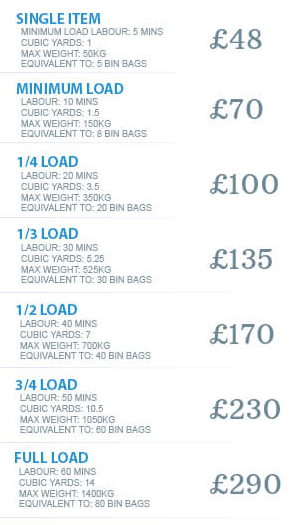
 Tipper Van - Rubbish Removal and Waste Collection Prices in West Kensington W14
 Luton Van - Rubbish Removal and Waste Collection Prices in West Kensington W14