Kensington and Chelsea council rubbish rules West Kensington
Posted on 07/07/2026

Kensington and Chelsea council rubbish rules West Kensington: a practical guide for residents, landlords, and local businesses
If you live, work, manage property, or run a business in West Kensington, the local rubbish rules can feel deceptively simple until the bins are out, the pavement is tight, and collection day suddenly matters a lot. The reality is that Kensington and Chelsea council rubbish rules West Kensington affect how waste is stored, sorted, presented, and removed - and getting it wrong can lead to missed collections, complaints, or unnecessary hassle. This guide breaks the subject down in plain English, with the practical detail people actually need. No fluff. Just the useful stuff, including what to do in awkward situations, what to avoid, and how to choose the right waste solution for your home or premises.
Why Kensington and Chelsea council rubbish rules West Kensington matters
Waste rules are one of those everyday things that only become noticeable when something goes wrong. A bag split on the pavement. A bulky item left too early. A builders' load placed where it blocks access. In West Kensington, where streets can be busy and parking is already tight, rubbish presentation rules matter because they affect cleanliness, safety, and how smoothly collection services run.
For residents, the rules help keep frontages tidy and reduce smells, pests, and obstruction. For landlords and managing agents, they reduce complaints from tenants and neighbours. For local businesses, they help avoid disruption to staff, customers, and deliveries. And for anyone arranging a clear-out, they guide the difference between a tidy, compliant collection and a messy one that becomes everyone else's problem.
Truth be told, most issues start with small assumptions. Someone thinks a bag can be left out "just this once." Someone else assumes a broken wardrobe is fine on the kerb because it is already dismantled. Then rain hits, a gull tears the bag, and suddenly the street looks worse than it did an hour earlier. Not ideal.
Practical takeaway: if you are unsure whether something is standard household rubbish, bulky waste, garden material, or construction debris, treat it cautiously and check the safest disposal route before moving it outside.
If your situation is more than a simple bin day issue, it can help to look at related local guidance such as Olympia West Kensington rubbish removal rules or the wider overview in common rubbish collection problems in West Kensington. Those pages are useful if you are dealing with access, event waste, or awkward collection timing.
How Kensington and Chelsea council rubbish rules West Kensington works
At a basic level, the system is about three things: what you put out, when you put it out, and how it is presented. Miss one of those, and collection can become unpredictable.
Most households are expected to separate ordinary waste from recycling where appropriate, and to present rubbish in the approved containers or sacks used locally. Bulky or unusual items usually need a different disposal route. Commercial premises, meanwhile, often have extra duties because their waste volumes, packaging, and recycling needs are different from domestic households.
West Kensington adds a few real-world complications. Flats may have bin stores rather than front gardens. Shared entrances can make storage awkward. Basement flats, mansion blocks, terraces, and mixed-use buildings all create different collection challenges. So while the broad rules are straightforward, the practical application changes from property to property.
In our experience, most people are not struggling with the rules themselves. They are struggling with the logistics around them. Where do you store a sofa until collection? What do you do with a broken desk when the lift is tiny? Can garden cuttings go out with normal rubbish? That is where a sensible disposal plan matters.
Common waste categories you need to think about
- General household waste: everyday non-recyclable rubbish such as food-contaminated packaging and mixed refuse.
- Recycling: clean recyclable materials, usually separated according to local instructions.
- Garden waste: grass cuttings, branches, leaves, and similar organic material.
- Bulky waste: furniture, mattresses, white goods, and other large items.
- Builders' waste: rubble, timber, plasterboard, fixtures, fittings, and renovation debris.
- Special items: electricals, paint, batteries, and anything that needs extra care.
If you are planning a more involved clearance, services like house clearance in West Kensington, furniture disposal, or garden waste removal can be a better fit than trying to force everything into the regular bin cycle.
Key benefits and practical advantages
Following the rules is not just about avoiding problems. It has very real practical benefits, especially in a busy part of London where space is precious and neighbours notice everything.
- Cleaner streets and shared areas: rubbish is less likely to spill, smell, or attract pests.
- Fewer collection issues: the right presentation increases the chance of smooth pickup.
- Less neighbour friction: nobody enjoys seeing bags out too early or blocking an entrance.
- Better property presentation: especially important for landlords, letting agents, and home sellers.
- Safer movement on pavements and access routes: particularly around narrow entrances and communal bin areas.
- More efficient clear-outs: if you plan properly, you waste less time moving things twice.
There is also a quieter benefit: you make decisions faster. Once you know what can go where, you stop second-guessing every item. That sounds minor, but in a flat that is being cleared before a move, or after a renovation, it is a genuine relief. One less thing to argue about, anyway.
For households with ongoing disposal needs, rubbish collection in West Kensington can be helpful where regular bin capacity is not enough. For business premises, an office clearance approach may be more practical than small ad hoc trips.
Who this is for and when it makes sense
This guidance is useful for more people than you might first think. It is not only for tenants with a bin problem on Monday morning.
It is especially relevant if you are:
- a resident trying to understand day-to-day bin and collection expectations;
- a landlord managing shared waste in a block or converted house;
- a letting agent arranging a pre-tenancy or end-of-tenancy clear-out;
- a homeowner decluttering before sale or refurbishment;
- a business owner generating regular packaging, office, or hospitality waste;
- a contractor handling renovation debris or builders' spoil;
- someone dealing with an urgent accumulation of rubbish after a move, event, or clearance.
It also makes sense whenever the usual routine breaks down. Maybe a skip will not fit. Maybe the lift is too small. Maybe the stuff is too mixed to sort in one go. That is when people start looking for a clearer plan and, often, a professional waste solution.
If you are comparing broader services, the services overview is a sensible starting point. For pricing questions, pricing and quotes can help you understand the process before you book anything.
Step-by-step guidance
If you want to stay on the right side of the rules and keep things moving, use this simple process. It is not glamorous, but it works.
- Identify the waste type. Is it normal household rubbish, recycling, garden waste, bulky waste, or builders' waste?
- Check where it belongs. Some items need separate disposal because they pose handling or recycling issues.
- Sort before you move it outside. This saves time and reduces the chance of rejected collection.
- Use the right container or sack. Overfilled bags, loose items, and unsafe stacks are a common cause of trouble.
- Place items out at the right time. Too early can create nuisance; too late may mean you miss collection altogether.
- Keep access clear. Front gates, shared entrances, and communal paths should remain usable.
- Choose an alternative route for awkward items. For example, skip hire in West Kensington may suit larger projects, while junk removal can be better for mixed household items.
- Document anything unusual. If you are managing a flat block or business site, a short note or checklist avoids confusion later.
A useful habit is to do a quick "what would I think if this were outside my front door?" check. It sounds simple because it is. But it catches a surprising number of mistakes.
A quick practical scenario
Imagine a West Kensington flat where a tenant is moving out on Friday, the bed frame has been dismantled, and there are cardboard boxes, a microwave, and two bags of mixed waste. One bag can go in normal household disposal, the cardboard should be kept separate if recyclable, the microwave needs correct handling as an electrical item, and the bed frame may need a dedicated bulky waste route. Mixing everything together might feel faster. It usually isn't.
Expert tips for better results
A few small habits make a big difference, especially in areas with limited storage space and shared access. These are the things that tend to save time and awkward conversations later.
- Break down items early. Flat-pack furniture, cardboard, and shelving are easier to move when dismantled in advance.
- Keep recycling clean. Food contamination can ruin an otherwise tidy recycling load.
- Plan for weather. A wet bag is heavier, messier, and more likely to tear. London rain has a habit of appearing at exactly the wrong time.
- Think about access first. Narrow hallways, basement steps, and no-lift buildings can change the best disposal method.
- Use the right service for the job. A small household clear-out is very different from renovation waste or office furniture.
- Leave a buffer before collection. If your street is busy, a small timing cushion can prevent missed pickup or obstruction.
- Choose one tidy staging point. Scattered piles create more stress than one organised area.
If you need a more hands-on solution, especially for heavy or awkward items, professional help can be the cleaner option. For example, loft clearance is often the smartest route where stairs, dust, and bulky storage items make DIY removal a pain. Similarly, garage clearance can uncover a mixed load that is hard to sort without time and muscle.
And yes, sometimes the answer is simply: do less yourself, and do it properly. No medals for carrying a broken wardrobe down three flights of stairs at 9pm.

Common mistakes to avoid
Most waste issues in West Kensington come from a fairly small set of repeat mistakes. Once you know them, they are easy to avoid - which is good, because repeating them gets old fast.
- Putting rubbish out too early. This can create nuisance and mess, and may breach local expectations.
- Using the wrong container. Bags that are too heavy or open items that are not secured can cause spills.
- Mixing waste types. Recycling, general rubbish, and specialist waste should not be lumped together without checking.
- Leaving bulky items in shared areas. Hallways and entrances are not storage spaces.
- Assuming builders' waste is "just rubbish." It often needs a different route entirely.
- Ignoring access problems. Even a perfectly sorted load can fail if collection crews cannot reach it safely.
- Forgetting about special items. Electricals, paint, and damaged appliances need more care than a standard bag.
One very common issue is the "temporary pile" that becomes permanent. A chair gets left for a few days. Then a box is added. Then some old shelving. Before long, the pile has become part of the scenery. We have all seen it. Nobody wants to be the person who started the new obstacle course in the communal bin area.
For difficult clear-outs, comparing waste removal with rubbish clearance can help you decide whether you need a full collection service or a targeted removal for specific items.
Tools, resources and recommendations
You do not need fancy equipment to manage rubbish properly. But a few simple tools and good habits make the job easier.
| Need | Helpful approach | Why it helps |
|---|---|---|
| Sorting mixed household waste | Use separate bags or boxes for different streams | Reduces contamination and confusion |
| Bulky item removal | Measure doorways and stairs before moving anything | Avoids getting stuck halfway through a hallway |
| Garden debris | Bundle branches and keep soil separate where possible | Makes disposal cleaner and safer |
| Renovation waste | Stage debris close to the exit and keep pathways clear | Saves time and lowers lifting risk |
| Business waste | Set a regular collection rhythm and assign responsibility | Prevents overflow and last-minute panic |
Recommended service pages, depending on the job, include furniture disposal, garage clearance, loft clearance, and builders' waste clearance. For household decluttering, junk removal is often the simplest umbrella solution.
If sustainability matters to you - and in West London, it often does - it is worth reviewing recycling and sustainability before choosing how to dispose of mixed material. Small decisions add up, especially for recurring clear-outs.
Law, compliance, standards, or best practice
Waste handling is not something to treat casually. Even if the local rules feel routine, there are still practical duties around safety, property access, public space, and responsible disposal. The safest approach is to follow the local collection guidance for domestic waste and to use a proper route for anything unusual, heavy, hazardous, or commercial.
For businesses and landlords, good practice goes beyond simply getting rid of rubbish. You need to think about presentation, segregation, storage, access, and record-keeping where relevant. A tidy bin store is not just nice to have; it can support smoother operations and fewer disputes.
In a mixed-use area like West Kensington, best practice usually means:
- keeping shared spaces clear and walkable;
- separating recyclable material where practical;
- not overfilling containers;
- avoiding fly-tipping or informal dumping, even temporarily;
- using insured, appropriate removal support for heavy or awkward loads;
- matching the disposal method to the waste type rather than forcing everything into one bin.
If you are comparing providers or want reassurance about the way a team handles collections, pages such as insurance and safety, payment and security, and terms and conditions can be useful. They help you understand what kind of standards and safeguards to look for, without overcomplicating it.
Options, methods, or comparison table
There is no single perfect waste solution for every West Kensington property. The right method depends on volume, item type, access, urgency, and how much you want to do yourself.
| Method | Best for | Pros | Trade-offs |
|---|---|---|---|
| Regular council-style disposal | Everyday household waste and routine recycling | Simple, familiar, predictable | Limited capacity; not suited to bulky or mixed loads |
| Skip hire | Renovations, larger clear-outs, substantial debris | High capacity, good for ongoing projects | Needs space and planning; may not suit tight streets |
| Man-and-van style rubbish clearance | Mixed items, furniture, one-off loads, urgent jobs | Flexible, quick, less lifting for you | Needs clear item list and sensible staging |
| Targeted item disposal | Single bulky items like sofas, beds, or appliances | Efficient if the load is small | Not ideal when several waste types are involved |
| Specialist builders' waste removal | Renovation debris and construction material | Handles heavy, awkward material properly | More specific planning required |
For many homes, a flexible collection service makes the most sense. If you only need a small number of items removed, rubbish collection may be enough. If the load is mixed and a bit messy, rubbish clearance often fits better. And if you are facing a bigger reset after building works, builders' waste clearance is the cleaner choice.
Case study or real-world example
A typical example comes from a West Kensington flat undergoing a quick turnaround between tenants. The outgoing tenant had a bed frame, two wardrobes, a handful of broken kitchen items, mixed bags of rubbish, and a stack of flattened cardboard. Nothing outrageous. Just enough to become annoying.
The first instinct was to leave everything together by the entrance and sort it later. That would have caused a problem straight away: the hallway was narrow, the bin store was already partly full, and the building manager had asked that access remain clear. Instead, the items were separated into categories first. Cardboard was kept clean and flattened. The bed frame and wardrobes were set aside as bulky items. Broken kitchen items were checked individually. The waste bags were tightened and grouped safely. Then the load was cleared in one go.
The difference was not dramatic in a cinematic sense. Nobody clapped. But the flat was turned around without complaint, and the building entrance never became a mess. That is usually what success looks like with rubbish rules: quiet, tidy, uneventful. A bit boring, which is exactly what you want.
For property-related clear-outs, especially when timing matters, it can also help to read about acquiring and selling Kensington properties and rubbish removal on W14 Lillie Road, because end-of-tenancy and sale prep often overlap with waste planning.
Practical checklist
Use this checklist before you put anything out or book a collection. It keeps the process simple.
- Have I identified the waste type correctly?
- Have I separated recyclables from general rubbish?
- Are any items bulky, heavy, sharp, or awkward?
- Do any items need special handling, such as electricals or paint?
- Is the access route clear for removal?
- Have I checked where items can be safely staged?
- Is the timing right for collection or removal?
- Would a dedicated service be better than regular disposal?
- Have I kept shared areas tidy and unobstructed?
- Do I know who is responsible if I am managing a building, rental, or office?
Quick rule of thumb: if an item is large enough to make you hesitate, it probably deserves a better plan than "just put it out and hope."
If you want a practical next step, you can review the about us page to understand the approach behind the service, then use contact if you need to discuss a specific collection. For office or home projects, the relevant service page usually gives the quickest path to the right option.

Conclusion
Kensington and Chelsea council rubbish rules in West Kensington are really about making shared urban life work smoothly. That means knowing what you can put out, when it should go, and which items need a different route. Once you understand the basics, the rest becomes much easier: fewer missed collections, less stress, and a cleaner street outside your door.
If you are dealing with a one-off bulky item, a post-move clear-out, garden debris, office waste, or renovation rubble, the smartest move is usually to match the disposal method to the job rather than forcing everything into the normal bin routine. That small bit of planning saves time, awkwardness, and sometimes a fair bit of money too.
And honestly, that is the goal here: not perfection, just a tidy, workable system that makes daily life in West Kensington a bit lighter. One less thing to juggle, one less mess to deal with. Nice, really.
Get a free quote today and see how much you can save.


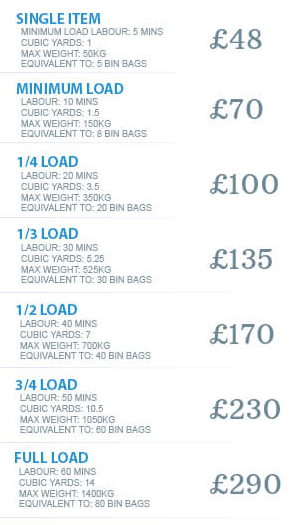
 Tipper Van - Rubbish Removal and Waste Collection Prices in West Kensington W14
 Luton Van - Rubbish Removal and Waste Collection Prices in West Kensington W14