Olympia West Kensington rubbish removal rules
Posted on 07/05/2026
Olympia West Kensington rubbish removal rules: a practical local guide for homes, businesses and builders
If you are dealing with waste near Olympia or across West Kensington, the rules can feel a bit fiddly at first. One minute you are clearing a flat after a tenancy, the next you are staring at a pile of builders' rubble, old furniture, and a bag of garden cuttings wondering what can go where. That is exactly where a clear guide helps. Olympia West Kensington rubbish removal rules are not just about "getting rid of stuff"; they are about doing it safely, lawfully, and in a way that keeps the street tidy for everyone else too.
This article breaks down what those rules mean in plain English, how rubbish removal normally works in the Olympia area, what to avoid, and how to choose the right disposal method for your situation. If you want a fast next step later on, you can also view the local services overview, check pricing and quotes, or read more about the company on the about us page.
Truth be told, a lot of people only look at rubbish removal once there is already a problem: a deadline, a move-out date, a post-event mess, or a builder who has left more debris than expected. The good news? Once you understand the basics, it gets much simpler.
Why Olympia West Kensington rubbish removal rules Matters
Rubbish removal rules matter because waste is not just an inconvenience. It can create safety issues, block access, attract pests, cause odours, and lead to avoidable complaints from neighbours, building managers, or venue operators. In a busy part of London like Olympia and West Kensington, space is tight. Pavements, loading bays, shared entrances and narrow residential roads all make waste handling a little more delicate than people expect.
There is also a bigger picture. Proper rubbish removal supports cleaner streets, better recycling outcomes, and fewer fly-tipping risks. A bag left outside at the wrong time may seem harmless, but to be fair, it can quickly turn into an eyesore or an enforcement issue if it is not collected correctly.
For businesses, landlords, contractors and event organisers, the local rules are especially important because waste often appears in larger amounts, more often, and under time pressure. One poor decision can mean delays, extra charges, or a site that looks scruffy right when it should look professional. If you operate near the district, it is worth understanding the area context too; a related local read like the North End Road rubbish removal guide can be useful if you want a street-level feel for local collection challenges.
Practical takeaway: the safest approach is to treat rubbish removal as a planned task, not a last-minute tidy-up. The more thought you give it upfront, the easier and cheaper it usually becomes.
How Olympia West Kensington rubbish removal rules Works
At a practical level, rubbish removal in Olympia West Kensington usually follows a simple pattern: identify the waste, separate what can be reused or recycled, choose the right collection method, and make sure it is transferred to a licensed and suitable disposal route. The "rules" part comes from a mix of council expectations, environmental responsibilities, building access requirements, and safe handling practices.
In day-to-day terms, this often means checking a few things before anything is moved:
- What kind of waste it is: general rubbish, bulky waste, garden cuttings, furniture, builders' debris, office clearance items, or mixed junk.
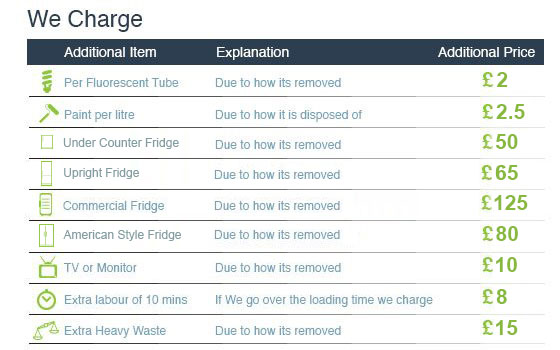
- Whether anything is restricted: electrical items, fridges, mattresses, paint, chemicals, or other special waste streams may need separate handling.
- How it will be collected: man and van clearance, scheduled rubbish collection, skip hire, or a targeted clearance service.
- Where the waste will be loaded from: roadside, basement, upper floor, rear access, lift, or communal area.
- Whether the site needs protection: stair coverings, lift protection, parking considerations, and noise control all matter.
If you are trying to decide between a full clearance and a targeted pick-up, a service such as rubbish clearance in West Kensington is often the broadest option, while a more specific job like furniture disposal may be enough for a single item or two. Households usually benefit from house clearance, while trade jobs may be better matched to builders' waste clearance.
And yes, sometimes the trickiest part is not the rubbish itself but the access. Anyone who has wrestled a sofa down a narrow staircase in London knows the feeling. Not fun. Not elegant. But manageable with the right plan.
Key Benefits and Practical Advantages
Following the rules properly is not about being overly formal. It makes the entire job smoother and more predictable. Here are the main advantages.
- Less risk of fines or complaints: waste left out incorrectly or handled badly can become a problem very quickly.
- Cleaner shared spaces: this matters in blocks, terraces, office buildings, and venues where people share entrances or loading areas.
- Better recycling outcomes: separating reusable and recyclable materials usually reduces what ends up as residual waste.
- Safer handling: proper lifting, sorting and transport help avoid injuries and damage.
- More accurate pricing: the more clearly you describe the load, the fewer surprises you are likely to get.
- Less disruption: a well-planned clearance often takes less time and creates fewer headaches for neighbours and staff.
There is a quiet benefit too: peace of mind. When the waste is gone and the place looks clear again, the room suddenly feels larger, lighter, less tense. That small shift matters more than people think. It is the difference between "still dealing with it" and "sorted".
If sustainability is part of your decision-making, it may also help to read the site's recycling and sustainability page. That gives a better sense of how waste handling can align with environmentally responsible disposal.
Who This Is For and When It Makes Sense
Olympia West Kensington rubbish removal rules are relevant to a wide range of people. In practice, this includes:
- Homeowners dealing with clutter, renovations, or a property refresh.
- Tenants needing to leave a flat clean and clear before a move-out.
- Landlords and letting agents arranging end-of-tenancy clearance or post-tenant disposal.
- Office managers clearing desks, chairs, filing cabinets, and broken equipment.
- Builders and tradespeople removing rubble, offcuts, and packaging from active work sites.
- Event organisers and venue teams who need a quick turnaround after gatherings, exhibitions, or private functions.
- People with garden, loft, garage or basement clutter that has finally reached the "right, enough is enough" stage.
If you are handling a property transaction, timing can matter a lot. A clearance before photos, viewings or handover often makes the property look brighter and more manageable. That is why local homeowners and landlords sometimes cross-reference rubbish removal with related pages like acquiring and selling Kensington properties or even the wider life in Kensington guide, just to stay grounded in the local market context.
It also makes sense for anyone who simply wants things done properly. Not flashy. Just clean, legal, and out of the way.
Step-by-Step Guidance
If you want the process to run smoothly, a simple method works best. No need to overcomplicate it.
- Walk through the waste
Take a look at everything that needs removing. Group it into categories: general rubbish, bulky items, recyclables, and anything that might need special handling. - Separate what can stay
Ask yourself a basic question: does this really need to go? Reuse is often the easiest saving there is. A surprisingly good chair can be passed on, and old storage boxes may still have life left in them. - Check access and timing
Can a vehicle park nearby? Is there a lift? Are there building rules, event timings, or road restrictions that need to be factored in? In Olympia, the answer is often "probably yes", so plan for it. - Choose the right disposal method
For smaller loads, a collection service may be enough. Larger, mixed, or awkward waste may suit a full clearance or skip-based approach. If you are weighing up those options, the local skip hire page is a useful comparison point. - Request a quote with clear details
Describe what is being removed, where it is, and how much there is. Photos help. So do honest notes about stairs, parking, or heavy items. A vague description almost always leads to a vague result. - Prepare the site
Move small personal items, keep walkways clear, and protect delicate floors if needed. This is especially helpful in flats and offices where movement is tight. - Complete the handover properly
After collection, check the space. Make sure nothing important has been taken by mistake and that the area is left tidy. Small check, big difference.
A little discipline here saves a lot of stress later. And yes, sometimes the most boring step is the one that saves the day. Annoying, but true.
Expert Tips for Better Results
Here are the bits that tend to separate a smooth job from a messy one.
1. Be honest about volume
The biggest mistake people make is underestimating the load. "Just a few bits" can turn into two van loads before you know it. Be realistic. If you are unsure, send photos from multiple angles.
2. Keep hazardous and awkward items separate
Paint tins, solvents, gas canisters, batteries, fluorescent tubes and similar items should never be mixed casually with everyday rubbish. They may require a different route. If in doubt, ask before collection.
3. Don't leave clearance to the last minute
Deadlines have a nasty habit of arriving all at once. If you are moving, refurbishing, or getting ready for guests, sort waste early. The room will feel calmer, honestly.
4. Think about neighbours and neighbours' nerves
In shared buildings, noise, lift use and hallway blockages can become a bigger issue than the waste itself. A bit of notice goes a long way.
5. Match the service to the waste type
Garden waste, office furniture, garage clutter and builder's rubble are not all the same job. Specific services like garden waste removal, office clearance and garage clearance are worth considering because they fit the load more cleanly.
One small but useful trick: take a quick video walk-through before the team arrives. It takes thirty seconds. It can save a lot of back-and-forth.

Common Mistakes to Avoid
Most rubbish removal problems come from a handful of avoidable errors. Nothing dramatic. Just ordinary slip-ups that snowball.
- Dumping waste outside without checking timing or permission - this is the classic "I'll just leave it here for now" mistake.
- Mixing recyclable and non-recyclable material - it may seem minor, but it makes sorting harder and can reduce recovery options.
- Forgetting about access constraints - no parking, a locked gate, low ceilings, a narrow staircase. These details matter more than people think.
- Assuming all waste can go in one load - special items often need separate treatment.
- Choosing price alone - cheapest is not always best if it leads to delays, poor handling, or unclear disposal practices.
- Ignoring building rules - managed blocks and commercial premises often have specific expectations about lift use, loading times, or waste storage.
It is also worth avoiding the "one more thing" problem. A bin bag, then a chair, then a broken shelf, then a stack of old files. Before you know it, the job has doubled. Happens all the time.
Tools, Resources and Recommendations
You do not need a van full of specialist gear to organise rubbish removal well, but a few simple tools make life easier.
- Phone camera: take photos of the load, access points, and any bulky items.
- Measuring tape: useful for furniture, appliances, and stair widths.
- Labels or sticky notes: mark what is staying, going, or needs review.
- Gloves and sturdy footwear: especially if you are moving items yourself.
- Bin bags and cardboard boxes: helps separate loose waste from larger objects.
- Parking and access notes: one saved note can prevent a lot of confusion on collection day.
For service planning, these pages can help you understand the wider offer and prepare the right request:
- waste removal in West Kensington for general disposal needs
- junk removal for mixed household clutter
- loft clearance for awkward, dusty, hard-to-reach spaces
- furniture disposal for sofas, tables and cabinets
If you are comparing the practical side of a collection and want a general overview first, the services overview is a sensible place to start. If you already know what you need and want a cost estimate, head to the contact page or the quotes page.
Law, Compliance, Standards, or Best Practice
Waste removal in the UK is governed by a set of legal and practical expectations, but for most readers the key point is straightforward: waste should be handled responsibly, transferred to the correct place, and not simply left where it might create a nuisance or hazard. If a service provider is removing waste on your behalf, it is wise to check that they operate responsibly and can explain their process clearly.
For householders and businesses alike, the safest mindset is to treat waste as something that must be traceable and properly managed. That means being careful with controlled or hazardous materials, avoiding illegal dumping, and making sure collections suit local access and timing requirements. The details can vary depending on waste type and site conditions, so cautious, case-by-case planning is best.
Best practice usually includes:
- sorting waste before collection where practical
- keeping restricted items separate
- using an appropriate service for the job size and waste type
- protecting floors, lifts and common areas during removal
- keeping communication clear between the customer and the collection team
If safety and reassurance matter to you, it may also help to review the insurance and safety information. That is especially useful for larger clearances, stairs-heavy jobs, or delicate properties where care really matters.
One thing worth saying plainly: if a provider cannot answer basic questions about what happens to the waste, that is not a great sign. You do not need a lecture. You do need clarity.
Options, Methods, or Comparison Table
Different waste jobs call for different methods. The table below gives a simple comparison so you can choose with a bit more confidence.
| Method | Best for | Pros | Watch-outs |
|---|---|---|---|
| Man and van rubbish clearance | Mixed household items, small to medium loads, quick turnaround | Flexible, fast, good for awkward access | Needs accurate load description and access info |
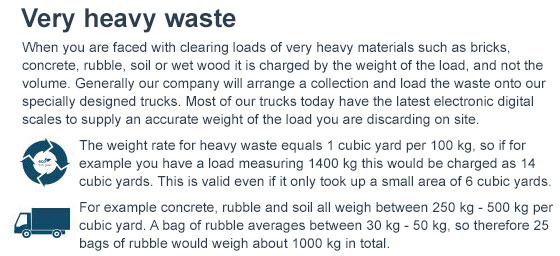
| Skip hire | Ongoing projects, renovations, heavier builder's waste | Handy for longer jobs, can hold a lot | Needs space for placement and may involve permits or local restrictions |
| Targeted collection service | Single items, furniture, light clear-outs | Simple and efficient | May not suit large or mixed loads |
| Full house or office clearance | End-of-tenancy, probate, downsizing, relocation, office refresh | Most comprehensive option | Needs more planning and item sorting |
In Olympia West Kensington, access is often the deciding factor. If the job involves stairs, tight loading space or a time-sensitive clearance, a collection service may be better than a skip. If you have a renovation with several days of waste, a skip might be more practical. Simple as that.
Case Study or Real-World Example
Consider a typical West Kensington scenario. A small flat near Olympia is being cleared before new tenants move in. The rooms contain a broken bed frame, two chairs, several bags of mixed rubbish, a microwave, a few boxes of books, and some odds and ends from the kitchen. At first glance it looks like a "just collect it all" job.
But after a quick walkthrough, the practical issues become clear. There is a narrow stairwell, limited parking, and a shared entrance that needs to stay clear for other residents. The best approach is to separate the books and any reusable items, check whether the microwave needs special handling, and arrange a clearance window that avoids busy times in the building.
The result? Less confusion, less time on site, and a cleaner finish. The flat looks presentable, the neighbour complaints stay at zero, and the landlord can move on with the handover. No drama. Which, in waste removal, is basically a win.
That same logic applies to venues and offices too. If you are getting a space ready for a fresh start, a bit of structure can turn a stressful clearance into a tidy, almost boring process. And boring is often exactly what you want.
Practical Checklist
Use this quick checklist before collection day:
- Confirm exactly what needs removing
- Separate reusable, recyclable and general waste
- Identify any restricted or hazardous items
- Check access points, stairs, lifts and parking
- Remove personal valuables and important documents
- Measure bulky items if they may be awkward to move
- Take photos of the load if you are requesting a quote
- Tell neighbours or building management if needed
- Prepare floor protection or pathway clearing if sensible
- Review the quote, timing and disposal expectations
Quick summary: if you sort the waste, check the access, and choose the right service type, most Olympia West Kensington rubbish removal jobs become much easier than people expect.
Conclusion
Olympia West Kensington rubbish removal rules are really about common sense, local awareness, and doing the job properly. If you match the waste type to the right service, prepare the site well, and avoid the usual mistakes, the whole process becomes quicker, safer and far less stressful. That applies whether you are clearing a flat, tidying a garden, emptying an office, or dealing with builders' leftovers after a refurb.
For many people, the most useful next step is simply to get a clear quote and talk through the load before collection day. That small conversation can save time, money and a fair bit of faff. If you are planning a clearance now, the team can help you understand the right approach for your situation, whether that is general rubbish, furniture, or a bigger mixed load.
Get a free quote today and see how much you can save.
If you want to continue exploring the wider local context, you may also find the guide to Kensington's local character helpful, especially if you are arranging waste removal around a home, business or venue in the area. Sometimes the best planning starts with understanding the place itself.



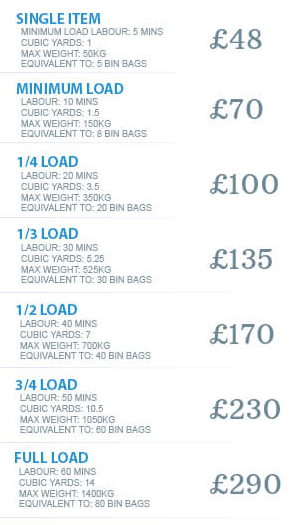
 Tipper Van - Rubbish Removal and Waste Collection Prices in West Kensington W14
 Luton Van - Rubbish Removal and Waste Collection Prices in West Kensington W14