Rubbish removal real cost West Kensington price guide
Posted on 04/10/2026
If you are trying to work out the rubbish removal real cost West Kensington price guide, you are probably dealing with one of two situations: a pile that has quietly grown into a problem, or a job that needs sorting now and you do not want any nasty surprises. Fair enough. In West Kensington, where space is tight and access can be awkward, the final price is rarely just about how much waste you have. It is also about loading time, type of rubbish, parking, stairs, and whether the team can clear everything in one visit.
This guide breaks down what actually shapes the cost, what a fair quote usually reflects, and how to compare options without getting lost in sales talk. You will also find a simple checklist, a practical comparison table, and some local best-practice advice so you can book with more confidence. No fluff. Just the useful bits.

Why Rubbish removal real cost West Kensington price guide Matters
Rubbish removal can look simple from the outside. You have waste, someone collects it, job done. In practice, the real cost in West Kensington can vary quite a bit because this part of London brings its own everyday complications: narrow roads, permit pressure, busier streets, and properties where carrying items downstairs is half the battle. That is why a proper rubbish removal real cost West Kensington price guide matters. It helps you judge whether a quote is reasonable rather than guessing from a headline price that may or may not include the bits that sting later.
There is another reason it matters. The cheapest quote is not always the cheapest outcome. A low figure can hide restrictions, call-out fees, minimum load charges, or surprise additions for heavy items, mattress disposal, or awkward access. On the other side, some providers include a lot more in the price: labour, sorting, loading, recycling, and disposal. Once you know what is being priced, you can compare properly. That saves time, and honestly, a fair bit of stress too.
If you are clearing a flat near Kensington Olympia, emptying a garden in a terrace street, or dealing with a post-renovation pile, the difference between a vague estimate and a detailed quote can be meaningful. A transparent price guide gives you a better sense of what normal looks like in the area, what is reasonable, and what needs a second look.
Practical takeaway: in West Kensington, the "real cost" is usually a mix of waste volume, item type, access, labour, and disposal conditions. If any of those are unclear, the quote is not really clear either.
How Rubbish removal real cost West Kensington price guide Works
Most rubbish removal services quote in one of a few ways: by load size, by item type, by time on site, or through a fixed quote after photos or a survey. The exact method matters because the same van load can be priced differently depending on what is inside it. A light load of bagged household junk is not the same as builders' rubble or a stack of heavy old wardrobes. The work behind it is different, and so is the disposal route.
What usually affects the price
- Volume of waste: more waste means more space in the vehicle and higher disposal charges.
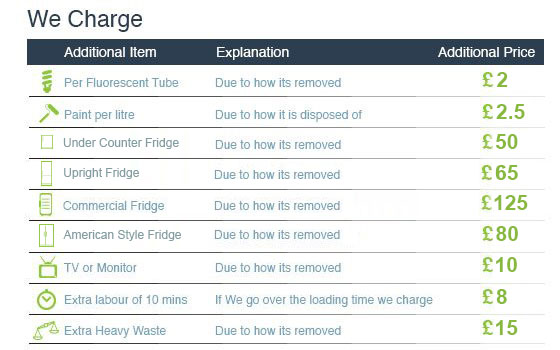
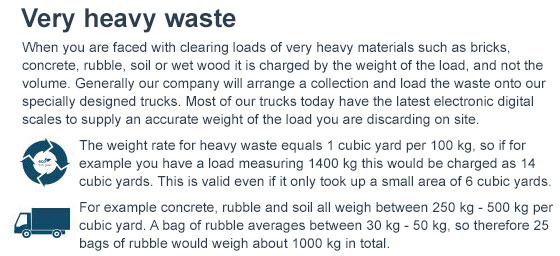
- Weight: heavy materials such as soil, tiles, plasterboard, or broken furniture can cost more.
- Type of rubbish: mixed general waste, green waste, bulky items, and construction debris are often priced differently.
- Access: upper floors, no lift, tight stairwells, or long carries can increase labour time.
- Parking and loading conditions: in West Kensington, access can be the quiet little cost multiplier people forget about.
- Urgency: same-day or short-notice bookings can carry a premium.
- Sorting and recycling effort: the more that has to be separated, the more time the crew spends on site.
In a typical quote, you are not just paying for "a van turning up". You are paying for the team, the transport, the handling, the legal disposal route, and often a bit of sorting in the middle. That is why two quotes that look similar on paper can end up being very different in real life.
To be fair, most people do not need a technical breakdown. They just want to know: how much will this probably cost me? A sensible provider should be able to explain the quote in plain English. If the explanation feels slippery, that is a warning sign.
How a fair quote is usually built
- Photos or a brief description are reviewed.
- The waste type and approximate amount are estimated.
- Access details are checked, including stairs, parking, and loading distance.
- The provider factors in labour and disposal charges.
- A clear price or price range is given, ideally with what is included and excluded.
If you have ever watched someone try to carry a sofa down three flights while dodging a banister and a bicycle, you know why labour is not a tiny detail. It is often the part people underestimate most.
Key Benefits and Practical Advantages
The main advantage of using a rubbish removal service is not just convenience. It is speed, predictability, and fewer headaches. When the price is explained properly, you can make a clean decision without needing to coordinate a van, lift heavy items yourself, or spend your evening googling disposal rules. Lovely, really.
- Clearer budgeting: you know what the job should cost before anyone starts.
- Less manual handling: useful for bulky furniture, broken appliances, and awkward items.
- Faster turnaround: many jobs can be completed in a single visit.
- Better space recovery: clearing clutter can instantly improve a flat, office, or garden.
- Potential recycling gain: reputable operators sort materials where possible, which can reduce landfill use.
- Less risk of delay: there is no need to wait around for council collection slots or organise a skip permit if that does not suit your job.
There is also a practical mental benefit. Once the pile is gone, the room feels different. Lighter somehow. You notice the floor again. The sunlight comes through. Small thing, but it matters when you have been staring at the same stack of old stuff for weeks.
Who This Is For and When It Makes Sense
This kind of pricing guide is useful for a wide range of people in West Kensington, not just homeowners. If you are deciding between a man-and-van clearance, a skip hire option, or a council route, understanding the real cost helps you choose well.
It makes sense for:
- flat owners clearing out after a move
- tenants leaving a property and needing a final clear-up
- landlords preparing a rental between lets
- families tackling loft, garage, or shed clutter
- small businesses clearing office furniture or old stock
- builders and tradespeople dealing with renovation waste
- people with bulky items that are hard to move safely on their own
It is especially useful if you are dealing with one of those "it is not quite enough for a skip, but far too much for a car boot" situations. That middle ground is where a lot of confusion happens. Truth be told, that is where a lot of wasted money happens too.
If your waste is mainly heavy rubble, you may need a different type of service than someone removing old sofas and bagged clutter. If it is mixed waste from a flat refurbishment, access and loading time become a big part of the equation. And if you need it gone quickly because of an inventory check, landlord handover, or family deadline, speed may matter more than squeezing every pound out of the quote.
Step-by-Step Guidance
If you want a realistic price and a smoother booking, a bit of preparation goes a long way. Nothing dramatic. Just a few sensible steps.
1. Sort the waste into rough groups
Separate general rubbish, furniture, electricals, garden waste, and heavy materials if you can. You do not need perfection. Even a rough split helps the provider estimate more accurately. A bag of mixed household waste and a pile of broken timber are not priced the same, and the quote will usually be more reliable if the provider knows that upfront.
2. Estimate volume honestly
People often underestimate how much space clutter takes. One corner of a room can turn into half a van faster than you expect. A good trick is to think in terms of how many bin bags, armchairs, wardrobes, or washing machines you have rather than saying "not that much". That phrase has caused more pricing confusion than almost anything else.
3. Note access details
Tell the provider about staircases, narrow hallways, basement access, parking restrictions, and any lift use. In West Kensington, where access can vary street by street, this is not a minor detail. A job that sounds simple from the pavement may become more labour-heavy once the team starts carrying items through the property.
4. Ask what is included
Does the quote include labour, loading, disposal, and VAT if applicable? Are there extra charges for mattresses, fridges, plasterboard, or hazardous materials? Ask plainly. If a provider is decent, they will answer plainly.
5. Compare like for like
One quote may be lower because it excludes disposal or limits how much will be taken. Another may be higher but include recycling and full labour. Compare the actual service, not just the number at the bottom.
6. Confirm timing and arrival window
If you need same-day collection, say so early. If your building has a loading restriction or a quiet-time rule, mention it. A good booking is not just about price. It is also about making sure the whole thing works on the day.
A little organisation here can save real money. It also reduces the awkward "we thought there were only six bags" conversation. Nobody enjoys that bit.
Expert Tips for Better Results
Here are the things that tend to separate a decent experience from an expensive, frustrating one.
- Get photos ready: clear pictures of the waste, access, and nearby parking can improve estimate accuracy.
- Be honest about mixed materials: hiding a load of rubble inside furniture waste usually backfires on the day.
- Ask for the disposal route: reputable teams should explain whether items are recycled, reused, or disposed of responsibly.
- Check the minimum charge: some small jobs cost more than expected because of a minimum service fee.
- Think about timing: mornings can be easier for access, especially if street parking is tighter later in the day.
- Keep valuables separate: sounds obvious, but in a rushed clear-out, passports, keys, and paperwork can be overlooked.
- Plan the path to the collection point: move anything fragile or in the way before the team arrives.
One thing experienced customers learn quickly is that being organised does not mean doing the labour yourself. It just means making the job easier to price and safer to complete. Small difference, big effect.
And if you are comparing providers, ask yourself: are they helping you understand the job, or just trying to close the sale? That one question can save a headache.
Common Mistakes to Avoid
Most bad experiences with rubbish removal are preventable. Usually it is not because the job is impossible. It is because the pricing was vague or the expectations were not set properly.
- Choosing on headline price alone: the cheapest estimate can become expensive once extras appear.
- Ignoring access problems: a quote without staircase or parking context is often incomplete.
- Underestimating weight: rubble, tiles, soil, and wet garden waste are much heavier than they look.
- Forgetting special items: fridges, mattresses, and electrical items may have different handling costs.
- Not asking about cancellation or rescheduling: useful if your moving date changes or the property is not ready.
- Leaving the sorting until the crew arrives: this can slow the job and push the price up.
A subtle but common mistake is assuming every provider works the same way. They do not. Some are very focused on speed, others on selective recycling, others on full property clearances. That is why the quote needs context, not just a number.
Another one: forgetting to mention that the item is upstairs, down a flight of awkward stairs, behind a locked gate, and next to a washing machine that somehow weighs more than it should. Little things. Big difference.
Tools, Resources and Recommendations
You do not need a complicated system to manage a clearance job. A few simple tools and habits help a lot.
- Phone camera: take clear photos of every area that needs clearing.
- Notes app or checklist: list waste types, access issues, and any deadline.
- Measuring tape: useful for doors, hallways, and larger furniture pieces.
- Basic sorting bags or boxes: handy if you want to separate recyclable items or small clutter first.
- Calendar reminder: keep the booking, permit, or access window in one place.
If you want to understand a provider's wider approach, it can also help to review pages about their services overview, pricing and quotes, and insurance and safety. Those pages can clarify what is typically included and how a company handles the practical side of the job.
For waste-specific jobs, related service pages such as rubbish clearance in West Kensington, waste removal, and rubbish collection may also be useful if you are comparing the right type of service for your situation.
If you are clearing a specific area of the property, you may also find house clearance, garage clearance, loft clearance, or furniture disposal more directly relevant.
Law, Compliance, Standards, or Best Practice
Rubbish removal is not just a logistics job; it is also a responsibility job. In the UK, waste must be handled properly, and anyone arranging removal should be careful about who is taking the waste and where it is going. You do not need to become a legal expert, but you should expect a professional provider to operate responsibly and to be able to explain their process in plain terms.
Best practice usually includes clear pricing, lawful disposal routes, sensible sorting, and careful handling of items that need special treatment. If a company seems vague about where waste goes or pressures you into a cash-only, no-paper-trail deal, that is not a great sign. Let's call that what it is: a headache waiting to happen.
In West Kensington, you may also need to think about local access rules, parking, and any building-specific requirements. Flats and managed properties can have their own restrictions, and some streets are simply harder to load from than others. If your job involves shared access, take a moment to check the practical details before booking. It sounds basic, but it saves a lot of back-and-forth.
If your clearance is linked to building work, the rules can become even more important. For example, a job involving heavier renovation waste may be better matched with a specialist service such as builders waste clearance in West Kensington. If the waste type is mixed, or you are sorting out a property after a larger project, that distinction matters.
And while we are here, responsible disposal is not just about avoiding trouble. It also supports better recycling outcomes where materials can be separated, reused, or processed correctly. Nothing glamorous. Just the right way to do it.
Options, Methods, or Comparison Table
Different clearance methods suit different jobs. The real cost in West Kensington depends not only on what you are removing, but also on which method best fits the scale, timing, and access of the job.
| Method | Best for | Typical strengths | Possible downsides |
|---|---|---|---|
| Man and van rubbish removal | Mixed household waste, bulky items, quick clear-outs | Fast, flexible, usually labour included | Can be pricier for very large loads |
| Skip hire | Longer projects, ongoing DIY or refurbishment waste | Good for staged loading, can suit larger volumes | Needs space and may require a permit |
| Specialist collection | Single item or specific waste type | Simple and targeted | May not suit mixed or bulky clearances |
| Council-style disposal options | Limited, non-urgent waste disposal needs | Can work for smaller, permitted items | Less flexible, often slower, strict on what is accepted |
For many West Kensington households, man-and-van clearance is the sweet spot. It works well when you need the labour included and want the job cleared in one go. Skip hire can make sense for builders or larger projects, but not everyone has the street space or patience for it. And honestly, if your building entrance is tight, a skip may not be the simple answer it first appears to be.
If you are still weighing up the practical route, pages like skip hire in West Kensington and junk removal can help you compare the different styles of service more directly.
Case Study or Real-World Example
Picture a typical West Kensington flat clear-out. A tenant is moving out on a Friday afternoon, the place has a sofa, two chairs, a dismantled bed frame, six or seven bin bags, an old microwave, and a few odds and ends from the kitchen cupboard. Nothing extreme, but enough to make a car-based solution unrealistic. There is a narrow staircase, no lift, and parking outside is hit-and-miss.
The first estimate looks decent at a glance. But once the provider asks for photos, it becomes clear that the sofa will need two people to carry it down the stairs and the parking space is not directly outside. The revised quote is slightly higher, but now it includes the actual labour and the likely loading time. In that situation, the higher quote is not a rip-off. It is a more honest price.
Now compare that with another nearby job: a homeowner in West Kensington clearing a small garden after a tidy-up. Mostly branches, bags of soil, and a broken planter. The volume is smaller, but the soil is heavy. A quote based only on "bag count" would miss the weight issue entirely. Different job, different pricing logic.
That is the heart of the matter. The real cost is not one flat number. It is a working estimate shaped by the job in front of you. Once people see that clearly, the decision becomes much easier.
Practical Checklist
Use this quick checklist before you book.
- Have you described the waste type clearly?
- Have you estimated the volume as honestly as possible?
- Did you mention stairs, lifts, or tight access?
- Have you checked whether heavy or specialist items cost extra?
- Do you know if labour, loading, and disposal are included?
- Have you asked about arrival time and same-day availability if needed?
- Do you know whether the provider follows responsible disposal practices?
- Have you compared at least two quotes on the same basis?
- Is there anything fragile, valuable, or personal that should be moved first?
- Have you checked for any parking or access constraints around the property?
It sounds simple because it is simple. Simple does not mean unimportant though.
Conclusion
The rubbish removal real cost West Kensington price guide comes down to a few practical truths: volume matters, weight matters, access matters, and clear quoting matters most of all. In a busy part of London like West Kensington, a realistic price is one that reflects the actual work involved, not just a headline figure designed to get your attention.
If you take anything from this guide, let it be this: ask for detail, compare like for like, and do not be shy about asking what is included. The right quote should make the job feel manageable, not mysterious. And once the clutter is gone, the space usually feels better than expected. A little quieter. A little easier to breathe in.
If you are still weighing up your options, take the time to review the service details, your access conditions, and the type of waste you need cleared. That small bit of care pays off. Every time.
Get a free quote today and see how much you can save.



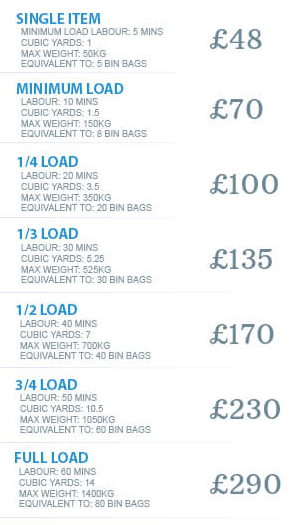
 Tipper Van - Rubbish Removal and Waste Collection Prices in West Kensington W14
 Luton Van - Rubbish Removal and Waste Collection Prices in West Kensington W14