West Kensington bulky rubbish permits Royal Borough guide
Posted on 31/07/2026

If you are clearing out a flat, replacing a sofa, or dealing with a pile of packaging after a renovation, bulky rubbish can become awkward very quickly. In West Kensington, the question is not just what to throw away, but whether you need a permit, how the Royal Borough expects bulky waste to be presented, and what the least stressful route is for getting it removed. This West Kensington bulky rubbish permits Royal Borough guide brings the practical bits together in plain English, so you can make a sensible decision without second-guessing yourself all day.
Truth be told, most people do not think about permits until they are already staring at a hallway full of old furniture. That is usually when the problems start. The good news? Once you understand the basics, bulky rubbish in West Kensington becomes much easier to manage, whether you are using a council-style collection approach, arranging a private clearance, or deciding between a skip and a man-and-van service.
Why West Kensington bulky rubbish permits Royal Borough guide Matters
Bulky rubbish sounds straightforward until you look at the details. A wardrobe is not the same as a bag of general waste. A mattress is not the same as builder's rubble. And a broken wardrobe left on the street is not just untidy; it can become a blocking issue for neighbours, pedestrians, and anyone responsible for keeping communal areas clear.
In West Kensington, that matters for a few reasons. First, the area has a mix of mansion blocks, converted flats, side streets, and busy through-routes. That means access can be tight and timings matter. Second, local waste expectations are usually stricter than people expect, especially when rubbish is left outside too early or in the wrong format. Third, if a permit is needed for a skip or temporary road occupation, getting it wrong can mean delays, extra cost, or a removal that simply cannot go ahead.
There is also the practical reality of shared living. If you live in a block near North End Road, Lillie Road, or around Olympia, one person's casual "I'll leave it downstairs" can quickly become everyone's problem. We have seen this happen more than once: a bulky item gets left in a foyer overnight, the building manager gets involved, and suddenly a simple clear-out turns into a small drama. Not ideal. Not fun.
That is why a guide like this helps. It gives you a framework for deciding whether you need a permit, whether a bulky waste collection is the cleaner option, and how to avoid the kind of mistakes that usually show up at the worst possible moment.
How West Kensington bulky rubbish permits Royal Borough guide Works
The first thing to understand is that a permit usually relates to the method of disposal rather than the item itself. In plain terms, you may not need a permit just because you have a bulky item, but you may need one if the disposal method involves placing a skip, container, or other obstruction on a public road or pavement. If you are using a licensed clearance team, the operational side is often handled for you. That is the part many people find reassuring.
For bulky rubbish, the process normally falls into one of three routes:
- Council or borough collection route: suitable for certain household items, provided the booking rules, item limits, and set-out instructions are followed.
- Private clearance route: a team collects the bulky waste from inside or outside the property and removes it in one visit.
- Skip or container route: useful for larger projects, but often the route most likely to involve permit questions.
The permit question becomes especially important when an item or container affects the public highway. If the waste stays entirely on private property and is removed by a clearance team, the paperwork may be much simpler. If part of the job involves placing a skip in the street, a permit is commonly part of the plan. That is the general rule of thumb, though exact requirements can vary by location and situation.
In the real world, the easiest approach is usually to match the disposal method to the job. One sofa? Probably not a skip. A full flat clear-out after a tenancy? A broader clearance option may be far better. If you are unsure, pages like the services overview and rubbish clearance in West Kensington can help you compare the practical options before you book anything.
And yes, it is worth checking early. Nobody enjoys finding out on a Friday afternoon that the container cannot be dropped until next week because a permit or access detail was missed. That sort of thing always seems to happen when you are already halfway through moving boxes.
Key Benefits and Practical Advantages
When people think about bulky waste removal, they often focus only on getting rid of the item. Fair enough. But the real value is in what happens around that removal: less disruption, less risk, less back-and-forth, and fewer unpleasant surprises.
Here are the main advantages of handling bulky rubbish properly in West Kensington:
- Cleaner shared spaces: stairs, entrances, and pavements stay clear.
- Lower risk of complaints: neighbours and building managers are less likely to object.
- Less handling stress: you avoid dragging heavy furniture through tight corridors.
- Better scheduling: collections can be timed around work, tenants, or contractors.
- Improved compliance: you reduce the chance of leaving items out in a way that breaches local rules.
There is also a comfort factor people sometimes ignore. A room full of unwanted furniture can make a property feel stuck. Once the bulky waste is gone, the place feels lighter. Quieter, even. You notice it in the echo of an empty room, the space under a window, the simple fact that you can walk through without turning sideways. That sounds small, but it matters.
For landlords and letting agents, proper bulky waste handling can also support quicker re-let preparation. For offices, it can keep reception areas and service lifts usable. If you are managing a larger clear-out, it may be worth looking at house clearance in West Kensington or office clearance services rather than trying to solve it piecemeal.
Who This Is For and When It Makes Sense
This guide is useful for more people than you might expect. Yes, it is relevant if you are moving out. But it also helps if you are reorganising, downsizing, refurbishing, or simply tired of a broken bedframe taking up half the spare room.
It makes sense for:
- Tenants clearing bulky items before checkout
- Landlords preparing between tenancies
- Homeowners replacing old furniture or appliances
- Property managers dealing with communal waste issues
- Builders and decorators needing fast debris removal
- Small offices removing desks, chairs, or filing cabinets
If your job is mainly furniture-heavy, furniture disposal in West Kensington is usually more relevant than a general waste option. If the items are mixed, awkward, or not all in one place, then junk removal in West Kensington may be the simpler fit.
There are also times when bulky rubbish is tied to a wider clearance project. A loft that has been used for years, a garage full of half-used DIY materials, or a garden store packed with old fencing and cracked planters can all need a broader approach. That is where services like loft clearance, garage clearance, or garden waste removal become genuinely useful.
And sometimes the timing is the whole story. If you need things gone before the builders arrive, before a tenancy ends, or before guests turn up, a same-day option can be the difference between calm and chaos. More on that in a minute.
Step-by-Step Guidance
Here is a practical way to work through bulky rubbish in West Kensington without overcomplicating it.
- List the items clearly. Separate furniture, appliances, mattresses, bags, and any builders' waste. Mixed loads are manageable, but only if you know what you are dealing with.
- Check where the waste will sit. Will it stay on private property, or would a skip/container need to go on a public road? That is usually the permit question that matters most.
- Think about access. Narrow stairs, no lift, permit-controlled parking, or a busy street can all affect the method you choose.
- Choose the right disposal route. For one-off bulky items, a clearance team can often be simpler than a skip. For larger renovation work, a skip may still make sense.
- Confirm timing and set-out instructions. If something is being collected, make sure it is ready when expected and presented in the right place.
- Separate any restricted items. Some materials need special handling, especially if they are electrical, sharp, contaminated, or unusually heavy.
- Keep proof and paperwork. For business users and landlords especially, it is wise to keep a record of what was removed and when.
That is the practical route. Nothing mystical about it. The trick is simply to match the disposal method to the actual job, rather than forcing the wrong solution because it seems cheaper at first glance.
If you are unsure how a mixed load should be handled, you can review waste removal in West Kensington alongside rubbish collection options. That comparison alone saves a lot of guesswork.
Expert Tips for Better Results
Here is where the small differences make a big difference. After enough clearances, you start to notice the same patterns: what slows people down, what causes extra charges, and what makes a job smooth from the first call to the last load-out.
Tip 1: Measure the awkward items first. A sofa that looks manageable in the room can become a different beast once you hit a staircase turn. Measure height, width, and depth. It sounds boring. It saves trouble.
Tip 2: Put the heaviest items nearest the exit. If you are making a collection easier, move the bulky furniture into the most accessible spot. That reduces handling time and the risk of knocks to walls or bannisters.
Tip 3: Photograph mixed loads before collection. This is especially useful for landlords, agents, or anyone needing a basic record of what was removed. You do not need art photography; a quick phone shot is enough.
Tip 4: Separate reusable items from true waste. If an item can be donated, sold, or reused, do that before arranging disposal. It can reduce load size and keep the clear-out more efficient.
Tip 5: Ask about access constraints early. A van can be in the right postcode and still struggle if loading is restricted. West Kensington roads can be busy, and the little details matter more than people expect.
Tip 6: Be honest about volume. A "small amount" that turns out to be half a room is how time slots and pricing assumptions get messy. Just say what it is. Much easier.
When timing is tight, the best route may be a fast-turnaround service. If you are facing a deadline, same-day rubbish removal tips can help you plan more sensibly and avoid last-minute panic.
Common Mistakes to Avoid
A lot of bulky rubbish problems come from the same handful of mistakes. Once you know them, they are easy enough to dodge.
- Leaving items out too early: This can create complaints, obstruction, or weather damage.
- Assuming every bulky item is treated the same: A mattress, a sofa, and a broken desk often need different handling.
- Ignoring access issues: Narrow doors, controlled parking, and stair-only properties are a real thing in West Kensington.
- Forgetting about permit needs: Especially relevant for skips or anything that may affect the street.
- Mixing restricted waste into general rubbish: That can slow down removal or make it unsuitable for a planned collection.
- Booking the wrong type of service: A simple furniture pickup is not the same as a full clearance, and you will feel that difference later.
One of the most common headaches is assuming the job will be "easy enough" without asking a few basic questions first. It rarely goes that way, honestly. A little planning beats three phone calls and a stressed neighbour every time.
For more local context on recurring collection problems, it can also help to read about common rubbish collection problems in West Kensington and the broader Kensington and Chelsea rubbish rules.
Tools, Resources and Recommendations
You do not need a toolbox full of gadgets to handle bulky rubbish well. But a few practical tools and pages can make the job far less irritating.
- Measuring tape: for checking sofa arms, door frames, and stair turns.
- Marker pen and labels: useful for separating keep, donate, recycle, and remove piles.
- Phone camera: handy for documenting the load and access points.
- Gloves and sturdy footwear: basic, but worth saying.
- Calendar reminder: for collection dates, permit deadlines, or access windows.
As for helpful pages on this site, a few stand out depending on what you are doing. The pricing and quotes page is useful if you want to understand budgeting before you commit. The recycling and sustainability page is worth a read if you care where the waste goes next. And if safety or liability is on your mind, insurance and safety information is a sensible place to check.
If you are comparing providers or deciding whether to self-manage, the best recommendation is simple: get a clear idea of access, item type, and time pressure first. Then choose the route that fits your actual situation, not the one that sounds neatest in theory. Theory is lovely until there is a fridge in the hallway.
Law, Compliance, Standards, or Best Practice
This topic touches compliance because bulky waste is not just about convenience. In the UK, waste has to be handled responsibly, and businesses in particular should be careful about using licensed and traceable disposal routes. For households, the most important thing is usually following the local instructions for set-out, timing, access, and item type. For business and landlord users, record-keeping matters more than many realise.
The safest general practice is to make sure:
- items are not left in a way that blocks pavements, entrances, or shared routes
- any permit-related requirement is checked before placing a skip or container on public land
- bulky waste is not mixed with materials that need separate handling
- the chosen disposal route is appropriate for the property type and location
- documentation is kept where there is a landlord, tenant, or business record to maintain
Best practice also includes being realistic about what you can move safely yourself. Heavy, sharp, or awkward objects can cause injury quickly. A sofa down a narrow staircase can go from manageable to miserable in about ten seconds. Be careful, especially if the route includes stairs, wet weather, or tight corners.
Where the rules feel a bit fuzzy, do not guess. That is the main point. Ask early, check the access, and use a compliant route. It is calmer that way, and usually cheaper in the end because you are not undoing mistakes.
Options, Methods, or Comparison Table
Different bulky waste methods suit different jobs. Here is a practical comparison to help you decide.
| Method | Best for | Strengths | Watch-outs |
|---|---|---|---|
| Bulky item collection | Single large items or a few pieces | Simple, quick, minimal disruption | May require clear set-out instructions and item limits |
| Private clearance service | Mixed furniture, household contents, or time-sensitive jobs | Flexible, efficient, often collected from inside the property | Access details and volume need to be accurate |
| Skip hire | Renovation waste or larger project debris | Good for ongoing loading over several days | Permit questions may apply if placed on public land |
| Full house or office clearance | End-of-tenancy, probate, relocation, or strip-out projects | Best for volume and speed | Needs good planning, especially in busy West Kensington streets |
As a rule, single-item and small mixed-load jobs usually lean toward collection or clearance. Bigger project waste may justify a skip. A one-size-fits-all answer would be nice, but life is not that tidy. The right choice depends on access, urgency, and how much lifting you want to avoid.
If you are still deciding, compare this table with your actual space. If the job includes old fitted items, damaged furniture, or end-of-tenancy clutter, the broader clearance routes often make more sense than trying to piece together several smaller collections.
Case Study or Real-World Example
Here is a realistic example from a typical West Kensington scenario. A tenant is moving out of a two-bedroom flat near a busy road and has an old wardrobe, a bed base, two broken chairs, and a handful of mixed household bits to remove. At first, they think a skip will be easiest. Then they remember the street access is tight, parking is awkward, and there is no spare space for a container.
After checking the layout, the better option is a direct bulky clearance. The items are grouped in one room, photographed, and moved close to the exit the day before. The tenant also checks whether any item will need special handling and makes sure the hallway is clear. Collection day arrives, the load is removed in one visit, and the flat is left ready for final cleaning. No permit headache. No extra street obstruction. No improvising with strangers in the rain, which is always a bonus.
That example is simple, but it shows the main point. The best disposal method is the one that fits the property, the street, and the deadline. In areas like West Kensington, that usually means thinking a step ahead rather than just focusing on the item itself.
If the job is tied to moving house, property work, or tenancy changeovers, you may also find useful context in guidance on acquiring and selling Kensington properties and day-to-day life in Kensington.
Practical Checklist
Use this checklist before booking or placing any bulky rubbish out for removal.
- Have I identified every bulky item clearly?
- Does the waste stay on private property or affect the public road?
- Do I need a permit for the disposal method I am choosing?
- Is the access route wide enough for removal?
- Have I separated reusable items from true waste?
- Are there any electrical, sharp, or heavy items needing special care?
- Have I checked timing, parking, and collection instructions?
- Do I need photographs or records for a landlord, agent, or business file?
- Have I chosen the right service type for the job size?
- Am I ready for the collection without last-minute reshuffling?
If you can tick most of those off, you are in a good place. If not, pause and sort the gaps first. A short delay now is usually better than a messy collection later.
Get a free quote today and see how much you can save.
Conclusion
West Kensington bulky rubbish permits Royal Borough guide searches tend to come from a very human place: people want a clean, legal, low-stress way to get rid of large items without causing problems for themselves or anyone else. That is completely fair. The answer is usually not complicated once you break it down into access, item type, space, and whether the waste touches public ground.
If you remember only one thing, make it this: choose the disposal method that matches the reality of your property, not the one that seems easiest at first glance. That one decision saves a surprising amount of hassle. And if you are unsure, ask early, plan clearly, and keep the process simple. It really can be that straightforward.
For a smoother start, it may help to review the broader service options and compare them with your own space and timing. A little preparation goes a long way, and in West Kensington, that usually means a cleaner, calmer day for everyone involved.
There is something oddly satisfying about seeing a cleared room at the end of it all. Quiet floors. Fresh air. A bit more breathing space. Sometimes that is all you need.



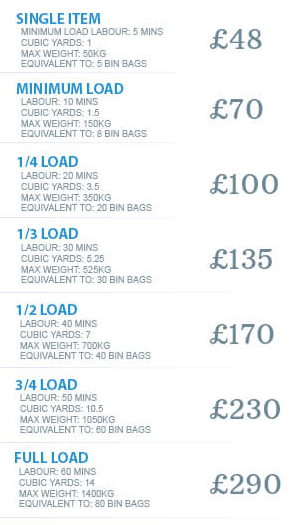
 Tipper Van - Rubbish Removal and Waste Collection Prices in West Kensington W14
 Luton Van - Rubbish Removal and Waste Collection Prices in West Kensington W14