Compare skip hire and rubbish removal West Kensington price guide
Posted on 21/10/2026

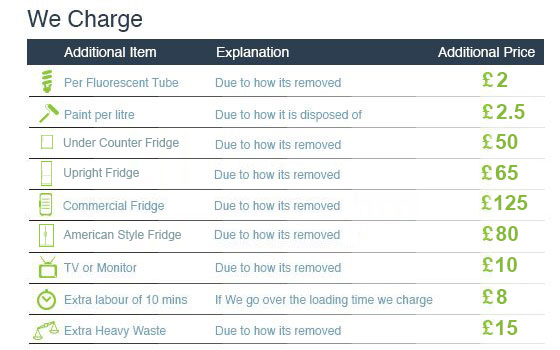
If you are trying to work out whether skip hire or rubbish removal is better in West Kensington, you are probably already staring at a pile of waste and thinking, well, this is turning into a bigger job than expected. That happens. A clear Compare skip hire and rubbish removal West Kensington price guide helps you look past the headline price and see the real difference: convenience, access, time on site, loading effort, and what the final bill is likely to feel like once everything is included.
West Kensington brings its own quirks too. Flats, tight roads, busy pavements, limited parking, and those awkward little access points can all affect what makes sense. In this guide, we will compare the two main options in plain English, explain how pricing usually works, and help you choose the one that fits your waste, your space, and your budget. No fluff. Just the useful bits, the bits people actually need on a Wednesday afternoon when the hallway is full and the builder says the job is nearly done.
We will also cover what tends to change the price, where people often overspend, and how to avoid the classic mistake of booking the wrong service for the job. Truth be told, the cheapest option on paper is not always the cheapest once you factor in access, labour, and disposal.
Why Compare skip hire and rubbish removal West Kensington price guide Matters
The reason this comparison matters is simple: skip hire and rubbish removal solve the same broad problem in very different ways. One gives you a container and time to fill it. The other sends a team to remove waste for you, often in one visit. If you pick the wrong one, the quote can look fine at first and then become awkward, slow, or unexpectedly expensive.
In West Kensington, where homes and businesses often deal with limited storage, narrow access, and on-street restrictions, the practical side of the decision matters just as much as the headline price. A skip may look cheaper if you have a lot of waste and space to place it. But if a permit is needed, or if access is tight, the overall cost can climb. Rubbish removal may cost more per load, yet save time, labour, and the hassle of organising a skip placement. So the real question is not just what is cheaper? It is what is cheaper for your situation?
That distinction saves people money. It also saves stress. And let's face it, once a renovation or clearance starts, nobody wants extra admin hanging around like an old sofa in the front room.
Key point: the best price is the one that fits your waste volume, access, timetable, and tolerance for doing the lifting yourself.
How Compare skip hire and rubbish removal West Kensington price guide Works
To compare the two properly, it helps to understand how each service is usually priced. The structure is different, so the numbers can be misleading if you compare them as if they were the same service.
Skip hire pricing in plain terms
Skip hire is usually priced by skip size, hire duration, and location. In a typical arrangement, you pay for the container, delivery, collection, and disposal allowance. If you need the skip for longer, or if waste type changes, the price can move. If a permit is needed for road placement, that may add to the total as well.
The appeal is obvious: you load it in your own time. For bigger projects, that can work really well. But you also need room for the skip, safe access for delivery, and enough physical capacity to load it. If those things are not in place, the bargain starts wobbling a bit.
Rubbish removal pricing in plain terms
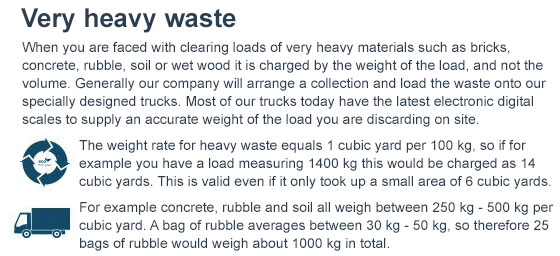
Rubbish removal is usually based on labour, volume, and the type of waste being taken away. A team arrives, loads the rubbish, and clears the site. You are paying for convenience as much as disposal. The quote often reflects the amount of time and manpower needed, especially if the waste is upstairs, mixed, bulky, or awkward to carry.
This is often better when you want fast results, have limited access, or simply do not want to do the lifting. A couple of strong notes here: access and labour matter a lot. If the team has to carry waste down several flights of stairs or through a narrow hallway, the price will usually reflect that reality. Fair enough too.
What changes the final price?
- How much waste you actually have
- The type of waste, such as mixed rubbish, soil, builders' waste, or furniture
- Whether access is easy or awkward
- How quickly you need the job done
- Whether a permit or extra handling is needed
- How much labour is involved
- Whether the waste is reusable, recyclable, or requires special treatment
One useful way to think about it: skip hire is often about space and time, while rubbish removal is about speed and labour. Same problem, different mechanics.
Key Benefits and Practical Advantages
Each option has strengths. The right choice depends on what you value most on the day.
Why skip hire works well
- Good for larger, ongoing projects
- Lets you clear waste gradually
- Can suit renovations, garden work, and property refurbishments
- May be more cost-effective for bulk waste if you can fill it efficiently
- Useful when you have enough space to place a skip safely
If you are renovating a flat over a few days or doing a long garden clearance, skip hire can feel very practical. You can chip away at the job as the work progresses. No need to rush everything in one go. That slower pace can be a real advantage.
Why rubbish removal works well
- No need to load the waste yourself
- Ideal for urgent clearances and same-day needs
- Helpful for properties with poor access
- Good for bulky items, mixed rubbish, and one-off clearouts
- Often simpler if you want minimal disruption
Rubbish removal is especially useful when waste is blocking a room, hallway, or access route and you just want it gone. The team does the carrying, the loading, and the disposal. For many busy households and landlords, that convenience is worth the extra spend.
The hidden benefit people miss
The biggest hidden benefit is not just speed or cost. It is mental relief. Once the waste starts disappearing, the job feels manageable again. You stop tripping over plasterboard, old shelves, or that one garden chair nobody has liked for years. Small thing? Maybe. But it changes the whole atmosphere of the property.
Who This Is For and When It Makes Sense
This comparison is useful for homeowners, tenants, landlords, tradespeople, and small businesses in West Kensington. If you are unsure which service fits your project, a little decision-making framework goes a long way.
Skip hire usually makes sense when:
- You have a steady flow of waste over several days
- You are clearing a large amount of builders' rubbish
- You have space for a skip on private land
- You are happy to load the waste yourself
- You want flexibility rather than a one-visit service
Rubbish removal usually makes sense when:
- You need the waste gone quickly
- You do not want to do any lifting
- You live in a flat with limited access
- You have bulky items or mixed waste
- You want to avoid the hassle of a skip permit or placement issues
For example, a landlord clearing a studio flat after a tenancy change may find rubbish removal easier. A builder dealing with a rear-garden project over several days might find skip hire better value. Different jobs, different logic.
And if you are in one of those in-between situations? That happens all the time. A lot of West Kensington customers are not doing a huge commercial job; they are just trying to get a loft, garage, or spare room back under control. That is where the comparison really earns its keep.
Step-by-Step Guidance
If you want to compare the two properly, do not start with the quote. Start with the waste itself. A calm five-minute check can save you from booking the wrong thing.
Step 1: Identify the type of waste
Separate the job into categories if you can: general household rubbish, bulky furniture, garden waste, soil, plasterboard, or mixed builders' waste. Some loads are straightforward. Others are a messy blend of everything from broken shelves to old tiles. Mixed waste often affects the price because sorting and disposal are more involved.
Step 2: Estimate how much you have
Try to visualise the amount in real terms. Is it a few bin bags, a van load, or a roomful? If you can stack it in a rough pile, it becomes easier to judge whether a small skip, a larger skip, or a rubbish removal team is more suitable. You do not need a perfect measurement. Just get close.
Step 3: Check access honestly
This is where people often underestimate the challenge. Can a skip lorry safely reach the property? Is there room to place a skip without causing problems? If not, rubbish removal may be the cleaner option. Narrow stairwells, basement flats, awkward courtyards, and shared entrances can make all the difference.
Step 4: Decide how quickly you need it done
If time matters, rubbish removal usually wins. If you have a few days and prefer to work gradually, skip hire can be more comfortable. Be honest about your schedule. A cheap option that drags on is not cheap for long.
Step 5: Compare the full cost, not just the base price
Ask what is included. Does the skip quote include delivery, collection, and disposal? Does the rubbish removal quote include labour, loading, and all disposal fees? Are there extra charges for access, heavy items, or permits? Those little additions are where budgets quietly slip away.
Step 6: Choose the option that reduces friction
Sometimes the best choice is not the cheapest in absolute terms. It is the one that fits the property and keeps the job moving. That matters more than people expect. A smooth clearance is worth something.
Expert Tips for Better Results
Here are the practical tips that tend to save people time and money. They are not glamorous, but they work.
Be ruthless about separating usable items
If there are items you can donate, reuse, or keep, move them out before arranging collection. The smaller the load, the easier the decision. Sometimes you think you have a mountain of waste, then once the keep pile is removed, it is more like a hill. A tiny hill, even.
Flatten and group waste where possible
Cardboard, dismantled shelving, and broken flat-pack furniture can often be stacked more efficiently. This can make skip use better value and reduce loading time for rubbish removal.
Think about the route from waste to vehicle
In West Kensington, route planning matters. If the waste has to come down stairs, through a narrow corridor, or around parked cars, labour time rises. That does not mean the job is impossible. It just means the most suitable service is the one that matches the route, not just the waste volume.
Book with timing in mind
Midweek slots can sometimes be easier to manage if you are trying to avoid peak disruption. Morning collections also help if you want the rest of the day clear. A fresh start at 8:30 a.m. with a cup of tea and an empty hallway feels strangely satisfying.
Ask about recycling and sorting
Responsible waste handling should be part of the conversation. Mixed loads may be separated for recycling where possible, while clean wood, metal, green waste, and certain construction materials can often be treated differently. If sustainability matters to you, ask how the waste is processed.
For broader context, the service pages on recycling and sustainability and insurance and safety can be helpful when you want to understand the standards behind the service, not just the price.
Common Mistakes to Avoid
A lot of price disappointment comes from simple mistakes, not bad luck. These are the ones worth watching for.
Choosing only by headline price
A low starting quote can look attractive, but if access charges, permits, labour, or waste type changes are likely, the total may end up higher than expected. Always ask what is included. Always.

Underestimating access problems
West Kensington properties are not all the same, and some are more awkward than they look from the street. Tight entrances, parking pressure, and shared access can affect both skip hire and rubbish removal. If you ignore that, the budget gets squeezed later.
Mixing restricted or specialist waste without checking
Some items need special handling. You should not assume every service will take everything in one standard load. If in doubt, describe the waste clearly before booking. A little honesty saves a lot of back-and-forth.
Booking too much or too little capacity
Too small and you need a second collection. Too large and you may pay for space you never use. That is one of the most common ways people overspend. It sounds obvious after the fact, which is annoying.
Leaving the decision too late
If the waste is already piling up, and the job is time-sensitive, your choices shrink. Booking in advance usually gives you more flexibility and better planning options. Last-minute is doable, but it narrows the field fast.
Tools, Resources and Recommendations
You do not need complicated tools to make a good choice, just a few sensible checks.
Useful things to prepare before getting a quote
- A rough list of waste types
- A guess at volume, in bags, room size, or furniture items
- Photos of the waste and access route
- Notes on stairs, parking, or narrow entry points
- Your ideal collection date
Helpful pages to review
If you want more context on service types and related local clearances, these pages are worth a look: services overview, rubbish clearance in West Kensington, waste removal in West Kensington, and house clearance in West Kensington. These can help you compare the broader service landscape before making a final choice.
For awkward access or awkwardly placed waste, the guides on narrow access flats and same-day rubbish removal tips are especially practical. If you are dealing with a specific property type, a little reading can make the real-world decision much easier.
And if you are still weighing up figures, the detailed real cost price guide can help you understand how waste volume, labour, and service style affect the final number.
Law, Compliance, Standards, or Best Practice
Waste services should always be handled responsibly. You do not need to become a legal expert, but you do need to know the basics. In the UK, waste must be managed by people who handle it properly, and you should be careful about who removes it and where it goes. If something seems suspiciously cheap, ask questions. That is not being difficult. That is being sensible.
For householders and businesses alike, the practical best practice is to use a service that can explain how waste is collected, transported, and disposed of. Good operators should also be clear about what happens to recyclable materials and how they manage safety on site. If a permit is needed for skip placement, that should be discussed before the job starts. No one likes a surprise from the council or the street, especially when the front window is open and dust is already everywhere.
If you are arranging clearance from a business property or office, it is also wise to consider data-sensitive items, mixed materials, and safe handling procedures. Office and furniture clearances can involve more than just hauling stuff away. A bit of care goes a long way there.
For related reading, the pages on council rubbish rules and bulky rubbish permits are useful if you want a local framework for understanding how collection and placement can be affected by area rules. If you are unsure, ask before booking. It is the easy win.
Options, Methods, or Comparison Table
Here is the simplest side-by-side view. It is not a substitute for a quote, but it does help you see the shape of the decision.
| Factor | Skip hire | Rubbish removal |
|---|---|---|
| Best for | Ongoing, larger waste loads | Fast clearances and awkward access |
| Who loads it? | You do | The removal team does |
| Typical pace | Flexible over days | Usually same-day or one visit |
| Access needs | Room for delivery and placement | Needs access for team, but not a skip space |
| Common hidden cost | Permit, size choice, extra hire days | Labour for stairs, bulky items, difficult access |
| Good value when | You have volume and time | You want convenience and speed |
In practical terms, skip hire often wins on pure volume if you can fill it efficiently and place it without hassle. Rubbish removal often wins on convenience, especially in flats, busy streets, or time-sensitive clearouts. Neither is automatically better. The better choice is the one that fits the shape of the job.
If you are handling construction or renovation waste, the page on builders' waste clearance may also be relevant. It speaks more directly to the sort of heavy, mixed material loads where the decision between a skip and a collection crew gets interesting.
Case Study or Real-World Example
Imagine a typical West Kensington flat clearance after a small renovation. There is broken shelving, old flooring offcuts, a couple of chairs, packaging, and a few black bags of mixed rubbish. The flat is on an upper floor, the staircase is narrow, and parking outside is limited by the usual London shuffle of cars, delivery vans, and somebody's hazard lights on for too long.
At first glance, a skip seems cheaper. But then the practical issues appear. There is nowhere sensible to place it without causing problems, and the waste is spread across rooms rather than piled neatly outside. In that case, a rubbish removal team may be better value, even if the base price looks higher, because the labour and logistics are built in.
Now imagine a different job. A garden redesign is happening over a long weekend. Soil, green waste, broken old timber, and some masonry are coming out steadily. There is a driveway or private space where a skip can sit safely. In that scenario, skip hire can be the better financial choice because the volume is there and the work will continue over time.
The lesson is not glamorous, but it is useful: price only makes sense when the job shape is clear. Otherwise you are comparing apples to a wheelbarrow, and no one needs that nonsense.
Practical Checklist
Use this before you book anything. It is simple, but it catches a lot of problems early.
- Have I listed all waste types clearly?
- Do I know roughly how much waste there is?
- Is access easy enough for a skip or a removal team?
- Do I need the job done quickly?
- Will I be happy loading waste myself?
- Is a permit likely to be needed?
- Have I asked what is included in the quote?
- Do I know whether the service handles bulky or mixed waste?
- Have I checked for any items that need special treatment?
- Do I understand the likely total cost, not just the starting price?
Expert summary: if your project is bigger, slower, and space-friendly, skip hire often makes sense. If it is urgent, awkward, or labour-heavy, rubbish removal is usually the cleaner solution. The right answer is often hiding in the access route, not the waste pile itself.
For bookings and tailored advice, you can also review the pricing and quotes page and the contact page when you are ready to talk through the details.
Conclusion
When you compare skip hire and rubbish removal in West Kensington, the smart move is to look beyond the surface price and think about how the job will actually play out. Skip hire is often best when you have time, space, and a larger amount of waste to manage yourself. Rubbish removal tends to shine when access is tight, the job is urgent, or you simply want the whole thing handled for you.
That is the real point of a good price guide: not to sell you one option, but to help you choose the one that makes the most sense for your home, your street, and your schedule. And once you get that right, the whole process feels lighter. Less hassle. Less second-guessing. More done.
Get a free quote today and see how much you can save.
Sometimes the best part of a clear-out is not the empty room. It is the relief that comes after. That bit matters too.


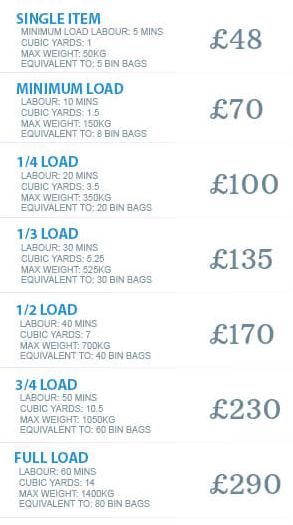
 Tipper Van - Rubbish Removal and Waste Collection Prices in West Kensington W14
 Luton Van - Rubbish Removal and Waste Collection Prices in West Kensington W14