Narrow access flats rubbish removal West Kensington solution
Posted on 12/10/2026

If you live in a West Kensington flat with a tight stairwell, a split-level hallway, or a front entrance that seems to shrink every time you try to move furniture out, you already know the problem. Rubbish removal in narrow access flats is not just about lifting bags and leaving. It is about planning, timing, carrying safely, protecting walls and floors, and getting bulky waste out without turning the place upside down.
This guide explains the Narrow access flats rubbish removal West Kensington solution in practical terms: what makes it different, how the process usually works, what to watch out for, and how to choose the most sensible method for your building. Whether you are clearing a one-bedroom flat, handling post-renovation waste, or dealing with a sudden pile-up after a move, you will find a straightforward path here. And yes, there is a better way than wrestling a broken wardrobe down a staircase at 7.30 in the evening. Let's be honest, nobody needs that drama.
Why Narrow Access Flats Rubbish Removal Matters
Narrow access flats create a very specific set of problems. You may have a steep stairwell, limited landing space, shared entrances, awkward bends, no lift, low ceilings, or neighbours who are understandably not thrilled about prolonged noise in the communal hall. In West Kensington, where a lot of homes sit in older converted buildings and compact mansion blocks, these access issues are common enough to be a real operational factor, not a minor inconvenience.
The main issue is simple: the space available for moving waste is smaller than the waste itself expects. A mattress, sofa, fridge, or pile of builders' debris can be easy to describe on the phone and awkward to move in real life. If you plan poorly, you risk scratched banisters, chipped paint, blocked walkways, and a clearance job that takes twice as long as it should.
There is also the practical pressure of everyday life. People still need to get to work, children need to use the hallway, and someone may be taking deliveries at the same time. In our experience, the best narrow-access jobs are the ones that respect the building as much as the rubbish. That sounds obvious, but it is the detail many people miss.
If you are dealing with wider property issues too, such as moving out, clearing inherited items, or preparing a flat for sale or letting, it can help to understand the broader context of the neighbourhood. A few readers also find it useful to explore what day-to-day life in Kensington feels like and how local housing layouts shape clearance decisions.
How Narrow Access Flats Rubbish Removal West Kensington solution Works
A good narrow-access clearance starts before anyone picks anything up. The process usually begins with a short assessment of what needs removing and how the item or waste will actually leave the property. That might sound small, but it changes everything. A pile of bagged waste needs one approach. A wardrobe carcass or a heavy desk needs another. Renovation debris, unsurprisingly, needs another again.
Most efficient jobs follow a simple pattern:
- Assess the access route. Check stairs, hallway width, turn points, door swings, and any fragile surfaces.
- Identify the waste type. Mixed rubbish, furniture, appliances, and clearance waste may need different handling.
- Plan the loading path. Decide whether items can be carried in sections, wrapped, or moved with protective equipment.
- Protect the property. Use floor protection, gloves, moving aids, and careful lifting technique where appropriate.
- Remove and sort. Waste is taken out in a controlled sequence, often starting with smaller items to free up space.
- Load for disposal or recycling. Usable or recyclable materials are separated where possible, which is better for the environment and often better for cost too.
In narrow flats, the real skill is not strength. It is sequencing. Move the right item first and the whole job becomes easier. Move the wrong one first and you can trap yourself halfway down the stairs. A bit annoying, to say the least.
For work involving refurbishment debris or post-build cleanup, it may also be worth looking at builders' waste clearance in West Kensington, because building waste brings its own handling and safety considerations.
Key Benefits and Practical Advantages
The right narrow-access solution is not only about removing waste quickly. It also gives you a cleaner result, less disruption, and a lot less risk of damage. That matters especially in flats where one awkward manoeuvre can leave scuffs in a communal stairwell everyone will notice for weeks.
Better protection for the property. Careful carrying, corner protection, and proper handling reduce the chance of damage to walls, doors, bannisters, and flooring. In older West Kensington buildings, where finishes can be a bit delicate, that is not trivial.
Less stress for you. People often underestimate the mental load of clearance. Once a flat starts filling with black bags, broken furniture, and discarded packaging, it becomes one of those jobs that silently hangs over your head. A well-planned removal clears the space and the mental clutter.
Safer handling. Heavy objects on tight stairs are an obvious injury risk. A sensible approach lowers the chance of slips, twisted backs, trapped fingers, and the classic "we nearly made it, but not quite" moment.
Better time management. A narrow-access job done properly can actually be faster than a DIY attempt because it avoids repeated trips, item reshuffling, and mid-job improvisation.
More suitable for mixed waste. Flats often contain a mixture of general rubbish, old furniture, small appliances, and bagged waste. A flexible removal method can deal with all of it in one visit rather than splitting the task into several separate trips.
Expert summary: In narrow flats, the best rubbish removal solution is rarely the flashiest one. It is the one that fits the building, respects the route, and removes waste in the right order. That is what saves time, avoids damage, and makes the whole thing feel manageable.
Who This Is For and When It Makes Sense
This approach is useful for a wide range of people, and it is not just for big clear-outs. In fact, many narrow-access jobs are surprisingly small on paper and surprisingly awkward in person. A broken sofa, a bulky wardrobe, a stack of bagged clutter after a declutter weekend, or a few leftover items from a move can all be harder to remove than they look.
You may need this solution if you are:
- living in a converted flat with narrow stairs or a tight entrance
- clearing a rental property between tenancies
- moving out and need furniture removed fast
- dealing with unwanted items after a renovation or redecoration
- helping a relative clear a flat with limited lift access
- preparing a property for sale, letting, or inspection
- removing mixed household waste that has become difficult to manage
It also makes sense when you want to avoid using a skip. Let's face it, a skip is not always practical outside a flat block, and in a narrow street it can be a headache rather than a help. If you are weighing options, skip hire in West Kensington can be useful in some situations, but not every building can accommodate it.
For readers managing household clutter rather than building debris, services such as house clearance in West Kensington, furniture disposal in West Kensington, or rubbish clearance in West Kensington may be the nearest fit depending on what is being removed.
Step-by-Step Guidance
If you want the process to go smoothly, it helps to treat it like a small project rather than a random lift-and-go. Here is a practical way to approach it.
- Sort what stays and what goes. Be strict here. Mixed piles slow everything down, and you will end up paying to move things you were not even sure about.
- Measure the awkward pieces. Check item size, stair turns, and door widths. That tiny bend in the hallway can be the thing that changes the whole plan.
- Identify fragile areas. Glass, polished wood, fresh paint, and narrow landings need extra care. Put protection in place before moving starts.
- Bundle and label where useful. Bag small items together and separate recyclables if you can do so sensibly. It makes loading faster and cleaner.
- Choose the right removal method. For some flats, direct man-and-van collection is ideal. For others, a more structured clearance approach is better.
- Keep the route clear. Shoes, planters, bikes, and loose boxes in the hallway are easy to overlook. They become obstacles quickly.
- Confirm timing. In flats, a short and tidy arrival window is often better than a vague one. Neighbours notice less, which is always nice.
- Do a final sweep. Check cupboards, behind doors, under beds, and those odd little corners where things breed quietly.
One thing people often forget: the best time to manage narrow-access clearance is before the flat gets overloaded. Once hallways are crowded, every bag becomes harder to move. If you are already in that position, no panic. It is still manageable, just a bit more deliberate.
Expert Tips for Better Results
Small decisions make a big difference in tight spaces. These are the habits that tend to separate a smooth job from a chaotic one.
Start with the bulkiest items only if the route is ready. That sounds obvious, but if the stairs are narrow and the bulky item blocks the path after five minutes, you are making life harder for yourself. Sometimes it is better to remove the smaller clutter first and open the route.
Use the right order. Items that are easiest to carry should often go out first, because they help create space. Heavy items usually go once the path is clear and the team can move without stop-start faff.
Protect surfaces before the first lift. A couple of minutes spent covering vulnerable surfaces can save a lot of regret later. Paintwork always seems to find the edge of a chair leg, doesn't it?
Think about neighbours. Keep noise controlled, avoid blocking shared access, and work within sensible hours. In a packed London building, courtesy is part of the job.
Ask what can be recycled or separated. Not everything needs to go to general waste. Segregating metal, wood, cardboard, and reusable furniture can improve outcomes and reduce avoidable disposal.
Book with room for flexibility. Narrow access often brings surprises: hidden items, a stuck lift door, or something heavier than it looked in the photos. A little schedule flexibility helps.
If you want to understand how a responsible provider approaches handling, storage, and risk, the site's insurance and safety information is worth a look before you commit to any job.

Common Mistakes to Avoid
Most problems in narrow flats are predictable, which is the annoying part. The good news is that means they are avoidable too.
- Underestimating access issues. People often think "it'll be fine" until they reach the third-floor turn with a wardrobe that clearly disagrees.
- Leaving sorting until the last minute. This slows the job down and creates confusion about what is actually being removed.
- Ignoring the building layout. A service lift, narrow corridor, or awkward external step can matter just as much as the flat itself.
- Blocking shared spaces. This can create neighbour complaints and make the removal less efficient.
- Choosing the wrong method for the waste type. Mixed waste, bulky furniture, and renovation debris are not all handled the same way.
- Forgetting access permissions or timing restrictions. Some blocks are stricter than they look. Better to check early.
- Trying to do too much alone. A single person with a heavy item and a narrow landing is not a hero scene. It is a strain risk.
A quick aside: if the item genuinely feels too awkward, it probably is too awkward. That is your cue, not a challenge.
Tools, Resources and Recommendations
You do not need a warehouse of specialist gear to handle narrow-access rubbish removal, but a few practical tools make a big difference. The aim is to reduce friction, not build a film set for a moving day montage.
- Protective gloves: useful for grip, sharp edges, and dusty bag handling.
- Furniture blankets or wraps: helpful for sofas, tables, and items with corners that love scuffing walls.
- Floor protection: especially valuable in older properties with wood floors or delicate communal areas.
- Trolley or sack truck: can help with suitable items, though it is not always practical on very tight stairs.
- Strong bags and boxes: for organising smaller items before collection.
- Measuring tape: basic but underrated; it helps avoid a lot of guessing.
For general service planning, a good place to begin is the services overview, especially if you are unsure whether you need rubbish removal, waste removal, junk removal, or a more specialised clearance.
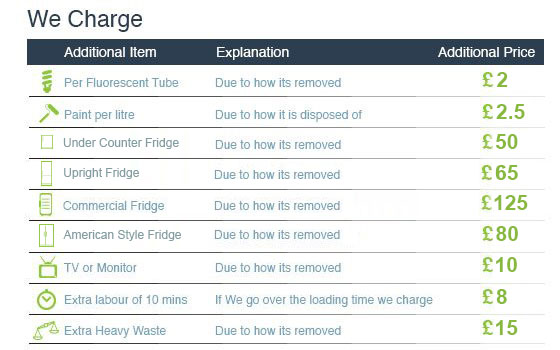
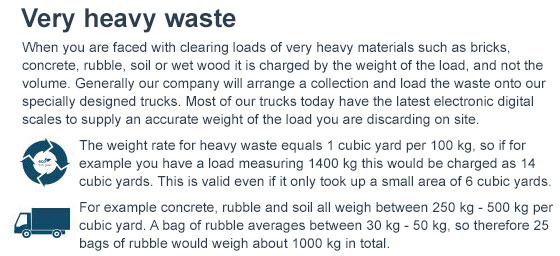
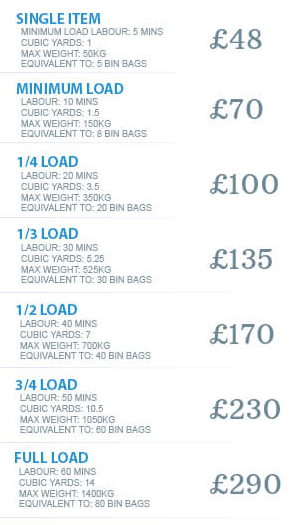
Pricing matters too, of course. If you are comparing options and want a clearer idea of what affects the total, take a look at pricing and quotes. It helps to understand how access conditions and load size can shape the estimate before you book.
For anyone focused on greener disposal habits, recycling and sustainability practices are a useful companion read. Narrow access jobs still benefit from sorting, and it is better when reusable or recyclable items are treated with some care rather than chucked into a single mixed heap.
Law, Compliance, Standards, or Best Practice
Waste removal in the UK is not just a practical task; it carries responsibility. You do not need to become a compliance expert, but you should work with a provider that handles waste lawfully and keeps the process sensible. In plain English, that means waste should be collected, transported, and disposed of by the right people, and it should not end up dumped somewhere it should not be.
For residents and landlords, best practice usually includes:
- making sure waste is handed to a legitimate operator
- separating hazardous or specialist items where required
- keeping records or confirmations where useful for your own files
- checking that communal areas are not blocked during removal
- using safe lifting methods and suitable protective equipment
If you are dealing with clearance after refurbishment or light building work, the expectations can be stricter because the waste mix may include heavier and dustier materials. The general rule is simple enough: know what you have, handle it carefully, and do not leave it to guesswork. For more context on building-related removals, the builders' waste clearance page is a useful reference point.
Also worth saying: building management, lease terms, and access rules can vary from one block to another. If your property has specific entry requirements, it is better to check them in advance. That little bit of preparation saves awkward conversations later. Nobody enjoys those.
Options, Methods, or Comparison Table
There is no single answer for every narrow-access flat. The right method depends on the waste type, the building, and how quickly you need the space cleared. Here is a simple comparison to help you think it through.
| Method | Best for | Strengths | Limitations |
|---|---|---|---|
| Man-and-van style collection | Smaller loads, mixed household items, bulky furniture | Flexible, quick, suited to tight access | May not suit very large clearances |
| Full flat clearance | End-of-tenancy, probate, or major declutter jobs | Comprehensive, organised, less stress for the resident | Needs more time and planning |
| Skip hire | Projects with space outside and manageable loading access | Useful for ongoing disposal, simple concept | Not always practical in narrow streets or flat blocks |
| Specialist furniture disposal | Sofas, wardrobes, beds, appliances | Good for bulky single items | Not ideal for lots of mixed waste |
In many West Kensington flats, the most balanced option is a tailored rubbish collection visit rather than a one-size-fits-all approach. If the job is mostly household items, rubbish collection in West Kensington can be a neat solution. If it is more about furniture, then a dedicated furniture disposal approach may be cleaner and easier.
Case Study or Real-World Example
Here is a realistic example based on the sort of job people often face in West Kensington. A tenant in a converted first-floor flat had a broken sofa, two dining chairs, several black bags of clutter, and a dismantled bed frame to remove before checkout. The stairwell was narrow, the landing was tight, and the hallway had a corner that made turning bulky items awkward. Very classic London flat stuff, really.
The sensible move was to split the clearance into phases. Smaller bagged waste came out first, which opened the route and reduced clutter in the flat. The bed frame was dismantled further, wrapped where needed, and carried in sections. The sofa was taken last, once the path was clear and the team could move without backing into the wall every five seconds.
The job worked because of planning, not force. The flat was left tidy, the communal area stayed usable, and the tenant avoided a last-minute panic before handing back the keys. That is the whole point of a narrow-access solution: it makes a difficult space feel manageable.
If the same tenant had tried to deal with everything in one chaotic pass, the result would probably have been noise, delays, and a sore back. Sometimes the calm version is the smarter version.
Practical Checklist
Use this checklist before the removal team arrives or before you begin moving things yourself.
- Separate what is staying from what is going
- Measure bulky items and note awkward corners
- Clear the hallway, landings, and entrance path
- Protect floors, walls, and bannisters where needed
- Identify any fragile, sharp, or heavy items
- Set aside items that need recycling or special handling
- Check building access times or permissions
- Make sure parking or loading arrangements are realistic
- Keep pets and children away from the moving route
- Do one final room-by-room sweep before collection
If you are also juggling other rooms or additional storage areas, related services such as loft clearance or garage clearance can make the overall project much easier to coordinate.
Conclusion
Narrow access flat clearance in West Kensington is not about brute strength or improvisation. It is about working with the building, understanding the route, and removing waste in a way that is safe, tidy, and respectful of everyone involved. When that is done well, the whole process feels much lighter than people expect.
The best Narrow access flats rubbish removal West Kensington solution is the one that matches your space, your waste type, and your timetable without creating extra problems. Whether you are clearing a single bulky item or handling a fuller flat clearance, a calm and practical approach will almost always pay off.
If you are ready to compare options, sort the awkward pieces, and get the job moving properly, the next step is simple.
Get a free quote today and see how much you can save.
And if you are still deciding, that is fine too. A good plan starts with knowing the space, then the rest usually follows.



 Tipper Van - Rubbish Removal and Waste Collection Prices in West Kensington W14
 Luton Van - Rubbish Removal and Waste Collection Prices in West Kensington W14