Rubbish removal W14 Lillie Road West Kensington guide
Posted on 20/05/2026
If you live, work, or manage a property near Lillie Road in W14, rubbish tends to build up in the least convenient moments. One week it's a broken wardrobe and a few old boxes. The next, it's builders' offcuts, garden cuttings, or a cellar that suddenly looks bigger on paper than in real life. This Rubbish removal W14 Lillie Road West Kensington guide walks you through the practical side of getting waste cleared safely, quickly, and without unnecessary stress.
Truth be told, rubbish removal sounds simple until you're the one dealing with access issues, tight stairwells, parking pressure, or items that need special handling. That's especially true around busy West Kensington streets, where time, space, and neighbours all matter. Below, you'll find a clear explanation of how the process works, what to look for, where people often go wrong, and how to choose the right approach for your situation.
For a broader look at the area and related services, you may also find the services overview, the rubbish clearance in West Kensington page, and the company's recycling and sustainability information useful as you compare options.
Why Rubbish removal W14 Lillie Road West Kensington guide Matters
West Kensington is a practical, lived-in part of London. People move frequently, refurbishments happen often, and homes, flats, offices, and gardens all generate waste in different ways. That creates a simple reality: rubbish removal is not just about "getting rid of stuff". It's about doing it in a way that fits the street, the building, and the schedule.
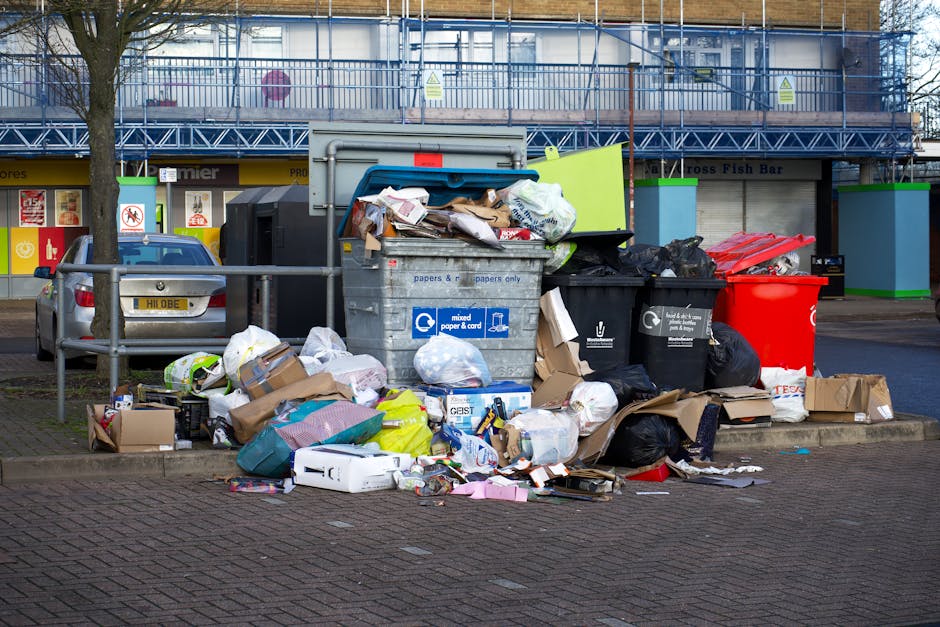
On Lillie Road and nearby side streets, the usual challenge is access. Many properties have limited frontage, shared entrances, basement steps, or no easy place to store waste bags safely. Add in London parking restrictions and narrow collection windows, and you can see why a proper plan matters. A cluttered hallway or overloaded back yard can quickly become more than an eyesore. It can block work, create hazards, and make everyday life feel oddly heavy.
There's also a bigger point. Good rubbish removal supports a cleaner local environment and can reduce unnecessary dumping. That matters for residential streets, landlords, tenants, and businesses alike. If you are clearing a flat, emptying an office, or dealing with renovation debris, the right service can save time and spare you a lot of back-and-forth. Small detail, big difference.
If your project is tied to a refurbishment or development, it may be worth looking at builders' waste clearance in West Kensington as a more specific option. For heavier household jobs, house clearance in West Kensington is often the better fit.
How Rubbish removal W14 Lillie Road West Kensington guide Works
At its simplest, rubbish removal works by matching the type and volume of waste to the right collection method. A small load might be taken away as part of a general clearance visit. A larger or more awkward load may need more hands, more time, or special handling. The process usually starts with a description of what needs removing, followed by a quote or estimate, then a collection appointment.
In a typical West Kensington job, a team arrives, assesses access, loads the waste, and takes it away for sorting. Good operators will separate reusable, recyclable, and residual waste where possible. That sounds routine, but it's the part many people never see. It matters because disposal is not one-size-fits-all, and not every item belongs in the same stream.
Here's the practical version: you point out what needs to go, the team confirms what they can take, and they deal with the lifting. If the job includes bulky furniture, a loft clearout, or awkward items such as broken wardrobes or old appliances, the crew should be prepared for careful carrying through stairs, door frames, and shared corridors. One cracked skirting board and the whole day gets less fun very quickly.
Some people compare this approach with skip hire in West Kensington. Both have their place. Rubbish removal is often better where access is tight or you want waste taken away immediately. Skip hire can be useful for longer projects, but it needs space and usually demands a bit more self-management. More on that below.
Key Benefits and Practical Advantages
There are a few reasons people choose professional rubbish removal instead of handling everything themselves. None of them are glamorous. They're practical. And practical is what you need when a flat is full of old furniture or a storage area has become a small museum of things nobody remembers buying.
- Time savings: You avoid multiple trips, loading, parking headaches, and queueing at disposal points.
- Safer lifting: Heavy or awkward items are moved by people used to doing the job properly.
- Cleaner finish: Waste is cleared in one go rather than lingering for days.
- Better for busy streets: Immediate removal can be easier than leaving a skip outside.
- More flexible: Useful for mixed loads, from furniture and bags to light builders' waste.
- Less stress: You keep momentum on the rest of your project.
There's also a subtle benefit people underestimate: confidence. When waste is handled properly, you're less likely to worry about whether it's being disposed of responsibly or whether it will cause issues later. For many readers, that peace of mind is worth a lot.
If you are clearing out a property before sale or letting, the difference can be even more noticeable. A tidy, empty space photographs better, feels more manageable, and is simply easier to present. For related local context, the site's articles on acquiring and selling Kensington properties and investing in Kensington real estate may be useful if your clearance is part of a wider property move.
Who This Is For and When It Makes Sense
This kind of service is for anyone who needs rubbish cleared without turning the week upside down. That includes tenants at the end of a tenancy, homeowners doing a clearout, landlords between occupants, office managers after a move, tradespeople dealing with site debris, and families clearing a loft or garage.
It also makes sense in a few very ordinary situations. You've sold a sofa online and want the broken replacement gone the same afternoon. You've finished a kitchen project and the packaging, broken tiles, and offcuts are stacked beside the back door. Or perhaps you've inherited a property and the contents are a mix of usable items, rubbish, and sentimental bits that need careful sorting. These are not edge cases. They're Tuesday, basically.
For larger domestic jobs, loft clearance in West Kensington and garage clearance in West Kensington can be especially handy. For office moves and workplace clean-downs, office clearance in West Kensington is usually the right direction.
If you're unsure whether your job is more like general junk removal or a more structured clearance, a good rule of thumb is this: if it's mixed, bulky, or time-sensitive, professional collection is usually worth considering. If you've only got a few bagged items, a simpler collection may be enough.
Step-by-Step Guidance
A sensible rubbish removal job is rarely complicated, but it does work better when you follow a clear process. Here's a straightforward approach that keeps things efficient.
- Sort the waste first. Separate bulky items, bagged rubbish, recyclable materials, and anything that may need special handling.
- Check access. Think about stairs, lifts, narrow hallways, parking, and any time restrictions at the property.
- Identify what is definitely going. If there are items you may want to keep, move them aside before the team arrives. Saves a lot of confusion.
- Request a quote. Be honest about the type and amount of waste. Photos are often helpful if the service asks for them.
- Confirm timing. Choose a collection slot that suits building access, neighbours, and any work schedule you already have in place.
- Prepare the area. Clear a path so the team can lift safely and work efficiently.
- Walk through the load. Before disposal begins, do a quick final check so nothing important is taken by mistake.
A practical example: if you're clearing a one-bedroom flat on Lillie Road after replacing furniture, move the items you want to keep into one room, gather loose rubbish into bags, and make sure communal hallways are kept clear. That small bit of prep can shave real time off the visit and make the whole thing feel less chaotic.
For waste linked to mixed renovation jobs, a split approach sometimes works well. Light domestic rubbish can go with general clearance, while heavier debris may be better handled as builders' waste clearance. It's not fancy, just efficient.
Expert Tips for Better Results
After enough clearouts, a pattern appears. The smoother jobs are rarely the ones with the most dramatic waste piles. They're the ones where the customer has thought through the details. A little preparation goes a long way.
- Take photos before booking: This helps describe the job accurately and avoid misunderstandings.
- Keep access routes open: Hallways, landings, and entrance paths should be clear for lifting.
- Group similar items together: It speeds up loading and makes checks easier.
- Separate donations or reusable items: Don't let useful things disappear into the rubbish by accident.
- Ask how waste is handled: Responsible sorting is a good sign, and it should be easy to explain in plain English.
- Be realistic about volume: Understating the job can cause delays, while overestimating can make planning clumsy.
One more small point. If your property is in a busy section of W14, try to avoid leaving waste outside "just for a bit". That bit can turn into a nuisance, especially in wet weather when bags split and the whole pile starts to look, well, grim.
If you care about environmental outcomes, it's worth asking about the company's approach to recycling. The recycling and sustainability page is a sensible place to start. Responsible disposal should never be treated like an afterthought.

Common Mistakes to Avoid
Most rubbish removal problems come from avoidable mistakes rather than complicated ones. The good news is that these are easy to fix once you know what to watch for.
- Leaving sorting too late: If everything is dumped in one place at the last minute, the collection becomes slower and more expensive to manage.
- Forgetting restricted items: Some materials and objects may require special handling, so don't assume every item is treated the same way.
- Blocking access: Piles in hallways, entrances, or driveways create avoidable delays and safety issues.
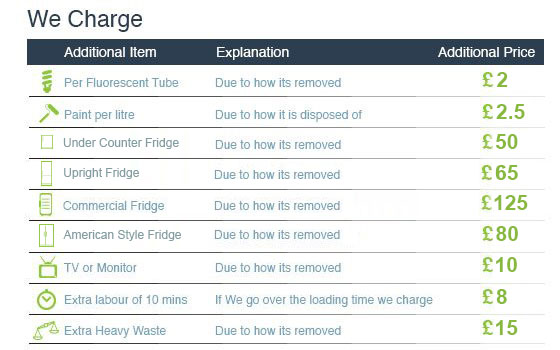
- Not checking what is included: A quote should be clear about labour, loading, disposal, and any extras.
- Choosing purely on price: The cheapest option can become costly if service quality is poor or communication is weak.
- Assuming a skip is always easier: Sometimes it is. Sometimes it's a parking headache waiting to happen.
There's a human mistake here too: people often underestimate how much emotional clutter gets mixed into a clearout. That old chair or box of books can slow a job down because you keep pausing to decide. If that sounds familiar, start with the obvious rubbish first and leave the borderline decisions until the end.
Tools, Resources and Recommendations
You don't need a lot of equipment for a successful clearance, but a few simple tools make things smoother.
- Heavy-duty bags: Better for loose waste and safer to carry than overfilled thin bags.
- Gloves: Helpful when handling dusty, sharp, or awkward materials.
- Basic labels or marker pens: Useful if you are sorting keep, donate, recycle, and remove.
- Phone camera: Handy for quick job photos and communication.
- Tape measure: A small but useful tool when dealing with bulky furniture or awkward stairwells.
On the service side, a few related pages can help you choose the right path. If you need a broader service for mixed waste, see waste removal in West Kensington. If you want a more general collection approach, rubbish collection in West Kensington may fit the bill. And if you're mainly shifting worn-out household items, furniture disposal in West Kensington is worth checking.
For readers who are new to the company or comparing service quality, the about us page and insurance and safety information can help build a better picture of what to expect.
Law, Compliance, Standards, or Best Practice
Rubbish removal in the UK should be approached with care. You do not need to memorise legislation to make a good decision, but you should know the basics. Waste must be handed to a service that can manage it appropriately, and the person arranging the clearance should avoid fly-tipping, unsafe storage, or careless disposal. That part is common sense, but common sense doesn't always stop problems on its own.
Best practice usually means checking that the provider is transparent about what happens to your waste, how they handle different material types, and what their service includes. For bulky items, recycling, or mixed loads, clarity matters. If you're clearing from a business or office, keep records of what was removed and when. That can be useful for internal administration even if the job is straightforward.
Safety matters as well. Heavy lifting, broken glass, sharp metal, old electrics, and damp materials all present risks if handled casually. A professional team should work in a way that reduces those risks rather than adding to them. If the job involves awkward access or repeated lifting, a careful, methodical approach is far better than speed for speed's sake.
If you want to compare service commitments before booking, the site's pages on payment and security, terms and conditions, and accessibility may also be useful. They don't remove rubbish for you, obviously, but they do help set expectations.
Options, Methods, or Comparison Table
Choosing between rubbish removal, skip hire, and full clearance depends on access, volume, and how much help you want on the day. Here's a simple comparison.
| Option | Best for | Strengths | Limitations |
|---|---|---|---|
| Rubbish removal service | Mixed household waste, bulky items, quick clearouts | Fast, flexible, little effort from you | May not suit very long projects needing on-site storage |
| Skip hire | Ongoing refurbishments or larger self-managed projects | Handy for staged loading over time | Needs space, permissions, and more self-loading |
| Full house or office clearance | Whole-property emptying, end-of-tenancy, moves | Comprehensive, efficient, good for large volumes | May be more than you need for small jobs |
To be fair, there is no universal "best" method. The right option depends on the property, the waste type, and how quickly you want the space back. A small flat with no lift and limited kerb space often suits direct rubbish removal better than skip hire. A renovation with waste coming out over several days may lean the other way.
Case Study or Real-World Example
Imagine a ground-floor flat near Lillie Road after a long-term tenant moves out. The landlord has a sofa, a dismantled bed frame, mixed bagged rubbish, a broken side table, and a few odds and ends in the hallway. The stairwell is shared, the neighbours are at home, and the building entrance is not exactly spacious.
In that situation, a planned rubbish removal visit is usually the least disruptive route. The landlord photographs the items, books a slot, and clears a path from the flat to the front door. The team arrives, checks the load, removes the waste, and leaves the place ready for cleaning or decorating. Nothing dramatic. Just a clean handover and no lingering mess.
Now compare that with a slightly more awkward version of the same job. The owner has left sorting until the day before inventory. Some items are still being decided on, the hallway is partly blocked, and there is no clear idea of what is meant to stay. The job takes longer, everybody feels rushed, and the removal team has to stop and ask more questions. Not ideal.
The difference is not luck. It is preparation. Even a small amount of planning can turn a stressful clearout into a very ordinary, manageable task. And ordinary is good.
Practical Checklist
Use this quick checklist before your collection day.
- Sort items into keep, donate, recycle, and remove.
- Take a few clear photos of the waste.
- Measure bulky items if access looks tight.
- Check whether any items need special handling.
- Make sure hallways, stairs, and entrances are clear.
- Confirm the collection time and what the quote includes.
- Set aside anything valuable or sentimental before the team arrives.
- Ask how recyclable materials will be managed.
- Keep pets and children away from the work area during loading.
- Do one final walk-through before the waste goes.
Expert summary: The smoothest rubbish removal jobs in W14 are the ones with clear access, honest item descriptions, and a service matched to the actual waste type. Keep it simple, keep it sorted, and don't leave decisions until the last minute.
Conclusion
Rubbish removal around Lillie Road and the wider W14 area is rarely just about waste. It's about restoring space, reducing friction, and making a home, office, or project feel manageable again. Once you understand the difference between general rubbish removal, furniture disposal, skip hire, and more specialised clearance work, the whole process becomes much easier to navigate.
Whether you're handling a single bulky item or a full property clearout, the main thing is to choose a method that suits the space and the pace of your job. A little preparation, a clear quote, and a reliable team can save a surprising amount of time and energy. And honestly, that's often the real win.
If you're ready to move forward, explore the most suitable local service, review the practical details, and make the booking when it feels right for you. No need to overcomplicate it.
Get a free quote today and see how much you can save.
Sometimes the best relief is simply looking at a cleared room and thinking, yes - that's better.



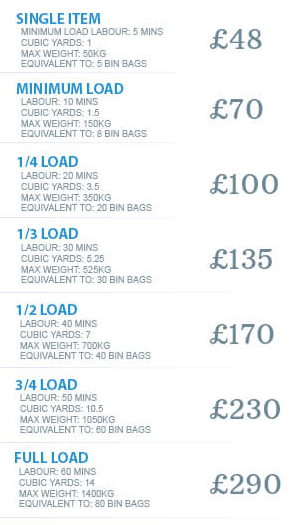
 Tipper Van - Rubbish Removal and Waste Collection Prices in West Kensington W14
 Luton Van - Rubbish Removal and Waste Collection Prices in West Kensington W14